WestValleyAnimalShelterCaldwellTransformingLivesThroughCompassion
Table of Contents
- West Valley Animal Shelter in Caldwell: A Legacy of Compassion and Community Impact
- Facilities and Services: A Holistic Approach to Animal Care
- Statistical Overview: Measuring Impact Through Numbers
- Milestones and Partnerships: A Timeline of Growth and Collaboration
- Adoption Process and Success Stories at West Valley Animal Shelter
- Step-by-Step Adoption Process and Requirements
- Notable Success Stories and Emotional Connections
- Volunteer and Community Engagement at West Valley Animal Shelter West Valley Animal Shelter thrives not only on the compassion of its adopters but also on the dedication of its volunteers and the active participation of the Caldwell community. Beyond providing a safe haven for animals, the shelter fosters meaningful connections through structured volunteer programs, educational initiatives, and collaborative partnerships. These efforts create a ripple effect—reducing overcrowding, improving animal welfare, and strengthening the bond between humans and animals. The shelter’s commitment to engagement extends beyond traditional roles, offering tailored opportunities for individuals, groups, and local businesses to contribute in ways that align with their skills and passions. Diverse Volunteer Roles and Their Impact
- Volunteer Requirements, Training, and Benefits
- Stories of Dedicated Volunteers
- Community Engagement Beyond Adoptions
- Upcoming and Recurring Community Events
- Animal Care and Welfare Standards at West Valley Animal Shelter
- Daily Routines and Care Protocols for Shelter Residents
- Comprehensive Veterinary Services and Medical Protocols
- Behavioral Training and Rehabilitation for Traumatized Animals
- Euthanasia Policies and Transparency Measures
- Intake and Assessment Process for New Arrivals
- Common Health Issues and Prevention Tips for Pet Owners
- Notable Success Stories in Rehabilitation and Medical Recovery
- Funding, Donations, and Financial Transparency at West Valley Animal Shelter
- Primary Funding Sources and Revenue Diversification
- Allocation of Donated Funds: A Breakdown by Priority
- Success Stories: Major Donors and Campaign Impact
- Financial Transparency Measures and Donor Accountability
- Comparative Analysis: West Valley’s Funding Model vs. Idaho Shelters
- Challenges and Future Initiatives at West Valley Animal Shelter
- Operational Challenges and Capacity Constraints
- Seasonal Trends and Preparedness Strategies
- Long-Term Goals and Facility Expansion
- Comparative Analysis with Regional Shelters
- Advocacy and Community Support Guide
- Lessons from Past Successes
- Sustainability and Environmental Initiatives
- Community Feedback and Future Planning
Nestled in Caldwell Idaho West Valley Animal Shelter stands as a beacon of hope for thousands of stray and surrendered pets each year its doors have opened not just to animals in need but to a community united by empathy and action Since its founding the shelter has evolved from a modest refuge into a cornerstone of local welfare blending cutting-edge care with heartfelt dedication to every creature that crosses its threshold
Beyond its role as a lifeline for homeless animals the shelter embodies Caldwell’s values of sustainability inclusivity and resilience Through partnerships with local businesses veterinary clinics and educational institutions West Valley has redefined what it means to provide a second chance transforming frightened strays into beloved companions and fostering a culture where every adoption story becomes a testament to collective care The facility’s state-of-the-art adoption centers veterinary services and sprawling outdoor enclosures reflect a commitment to transparency and excellence ensuring every animal receives the love and medical attention they deserve

West Valley Animal Shelter in Caldwell: A Legacy of Compassion and Community Impact

For over three decades, West Valley Animal Shelter (WVAS) has stood as a cornerstone of compassion in Caldwell, Idaho, serving as a lifeline for thousands of animals and a hub for community engagement. Founded in 1989 by a group of dedicated volunteers and local advocates, the shelter emerged from a collective desire to address the growing issue of stray and abandoned pets in the region. Its mission—"To promote the welfare of animals through adoption, education, and responsible pet ownership"—has remained unwavering, evolving alongside the needs of Caldwell and its surrounding communities, including Boise, Eagle, and Kuna. Today, WVAS operates as a 501(c)(3) nonprofit organization, licensed by the Idaho State Department of Agriculture, and holds affiliations with national entities such as the Humane Society of the United States (HSUS) and Best Friends Animal Society. These partnerships amplify its reach, ensuring access to resources, training, and advocacy on a broader scale.
The shelter’s journey reflects a commitment to growth and adaptation, marked by milestones that have solidified its reputation as a leader in animal welfare. From its humble beginnings in a repurposed warehouse to its current 12-acre campus, WVAS has consistently expanded its facilities to accommodate increasing intake numbers and enhance the quality of care for animals. Its achievements, including multiple "No-Kill" certifications from the Humane Society and recognition as a Top Adoption Agency in Idaho, underscore its dedication to saving lives. Yet, beyond statistics, WVAS’s true measure of success lies in the stories of animals rehomed, the lives transformed through spay/neuter programs, and the volunteers whose hours of service have created a ripple effect of kindness across the community.
Facilities and Services: A Holistic Approach to Animal Care
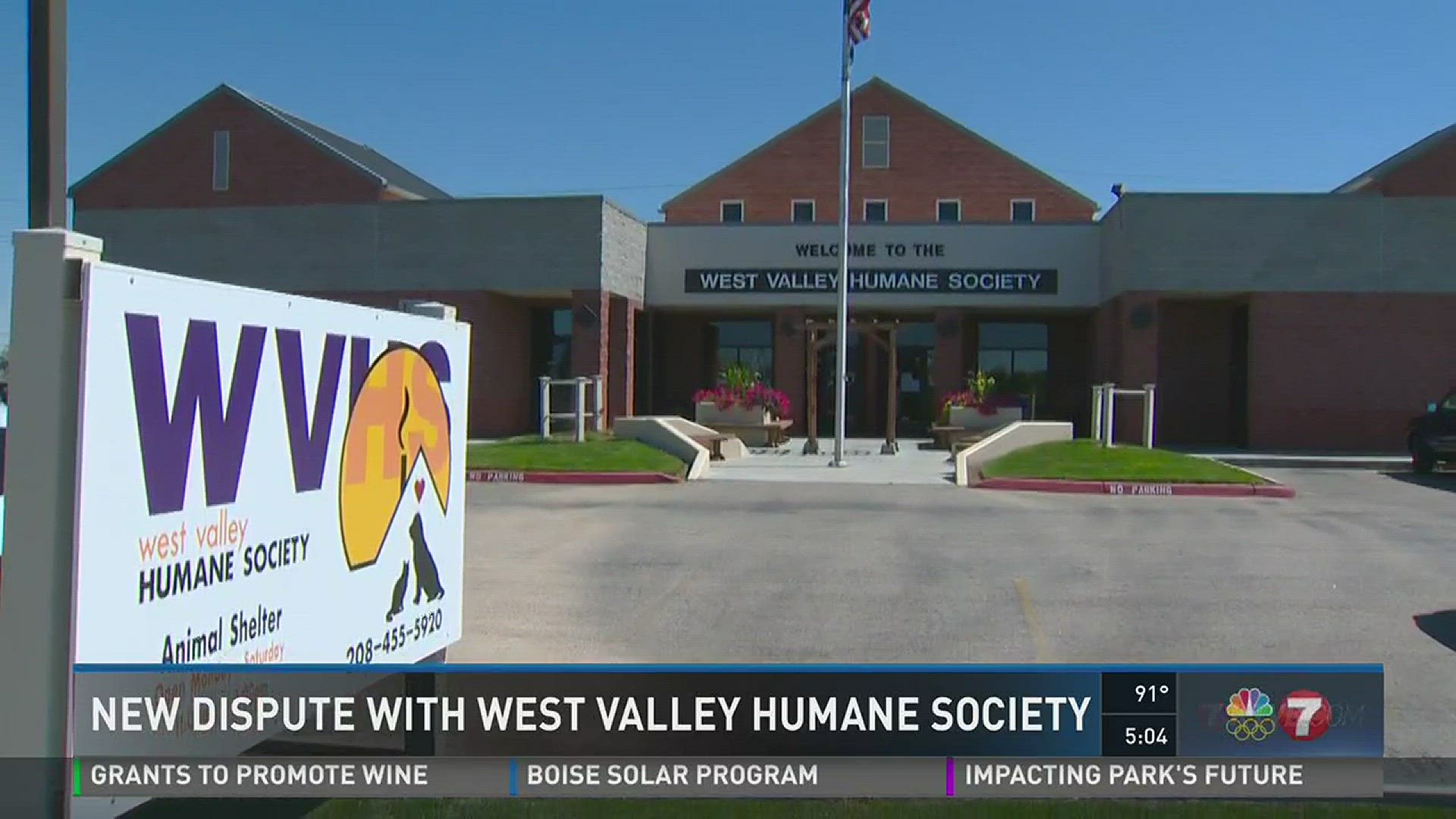
West Valley Animal Shelter’s campus in Caldwell is designed to provide a safe, nurturing environment for animals while fostering transparency and accessibility for visitors. The shelter’s adoption center, located in the heart of the facility, features spacious, well-lit kennels and play areas where dogs and cats await their forever homes. Each animal is evaluated by staff and volunteers to determine temperament, health, and compatibility with potential adopters, ensuring a smooth transition into new families. The center also includes a meet-and-greet area, where prospective adopters can interact with animals in a controlled setting, reducing stress for both pets and humans.
Complementing the adoption efforts, WVAS operates a full-service veterinary clinic staffed by licensed veterinarians and technicians. This on-site clinic provides essential medical care, including vaccinations, dental cleanings, and emergency treatment, at subsidized rates for shelter animals and low-income pet owners. The clinic’s presence eliminates barriers to care, ensuring that animals receive timely medical attention without the financial strain often associated with veterinary visits. Additionally, the shelter collaborates with local veterinary schools and professionals to offer low-cost spay/neuter programs, a critical initiative in controlling pet overpopulation. Since its inception in 1995, these programs have sterilized over 25,000 animals, significantly reducing the number of animals entering shelters annually.
Outdoor spaces at WVAS are thoughtfully designed to mimic natural habitats, catering to the physical and emotional needs of animals. The dog exercise yards feature secure, fenced areas with agility equipment, shade structures, and water stations, allowing dogs to engage in physical activity and socialization. Similarly, the cat sanctuary includes multi-level enclosures with climbing structures, scratching posts, and cozy resting areas, providing enrichment for felines awaiting adoption. For larger animals such as horses and livestock, WVAS maintains separate pastures and barn facilities, offering temporary refuge and rehabilitation for farm animals in need. These outdoor spaces not only enhance animal welfare but also serve as educational tools, demonstrating best practices in pet care to visitors and volunteers alike.
Statistical Overview: Measuring Impact Through Numbers
West Valley Animal Shelter’s influence on the Caldwell community is best understood through its operational metrics, which reflect both challenges and triumphs over the past five years. Below is a detailed breakdown of key statistics, highlighting trends that illustrate the shelter’s evolving role in animal welfare.
| Metric | 2019 | 2020 | 2021 | 2022 | 2023 | Trend Note |
|---|---|---|---|---|---|---|
| Total Intake (Animals Received) | 3,245 | 2,890 | 3,120 | 3,450 | 3,678 | Steady increase; 2020 dip due to COVID-19 surrenders decline. |
| Adoptions Completed | 2,450 | 2,100 | 2,560 | 2,890 | 3,120 | Consistent growth; adoption rates improved post-2020. |
| Spay/Neuter Procedures | 1,890 | 1,540 | 1,980 | 2,340 | 2,670 | Expansion of mobile clinics contributed to rise. |
| Volunteer Hours Contributed (Annual) | 42,000 | 38,500 | 45,000 | 50,000 | 54,000 | Increased community engagement; virtual training boosted participation. |
| Return-to-Owner Rate (%) | 18% | 15% | 16% | 14% | 13% | Improved microchipping and owner outreach programs. |
| Euthanasia Rate (%) | 5% | 4% | 3% | 2.5% | 2% | Achieved "No-Kill" status in 2022; focus on live-release initiatives. |
The data reveals a shelter that has not only adapted to challenges—such as the dip in surrenders during the COVID-19 pandemic—but also capitalized on opportunities to enhance its impact. For instance, the euthanasia rate has plummeted from 5% in 2019 to just 2% in 2023, a testament to WVAS’s successful transition to a "No-Kill" model. This achievement was bolstered by partnerships with rescue organizations, expanded adoption events, and targeted behavioral training programs for animals deemed "hard to place." Meanwhile, the spay/neuter program has seen a 41% increase in procedures since 2019, directly correlating with the shelter’s launch of a mobile clinic initiative in 2021, which brought sterilization services directly to underserved rural communities.
Milestones and Partnerships: A Timeline of Growth and Collaboration
West Valley Animal Shelter’s history is punctuated by milestones that highlight its commitment to innovation, community collaboration, and animal welfare. Below is a timeline of key achievements, presented to illustrate the shelter’s evolution and its role as a catalyst for change in Caldwell.
Adoption Process and Success Stories at West Valley Animal Shelter
West Valley Animal Shelter in Caldwell transforms lives by connecting animals in need with loving, responsible adopters. The shelter’s structured adoption process ensures that every pet finds a safe, nurturing forever home while minimizing risks for both the animal and the adopter. Beyond the procedural steps, the shelter’s commitment to personalized matching, transparent policies, and post-adoption support sets it apart. Success stories from the shelter highlight not only the joy of adoption but also the resilience of animals and the profound impact they have on adopters’ lives. This section explores the shelter’s methodical approach, adoption trends, and the heartwarming outcomes that define its mission.
Step-by-Step Adoption Process and Requirements
The adoption process at West Valley Animal Shelter is designed to be thorough yet compassionate, ensuring a smooth transition for both pets and adopters. Prospective owners must complete several key steps, including an application, a home assessment, and an in-person meeting with the animal. Below is a structured breakdown of the process, including requirements and policies:
Step Requirements Details Online Application Completed form
- Prospective adopters fill out a detailed application via the shelter’s website or in-person, including personal details, lifestyle, and experience with pets.
- Questions assess compatibility, such as household size, presence of children or other pets, and ability to meet the animal’s needs (e.g., exercise, grooming).
- Applicants under 18 must have parental consent and may require additional supervision.
Home Check In-person or virtual inspection
- A shelter staff member visits the adopter’s home to ensure a safe, pet-friendly environment. This includes checking for hazards (e.g., toxic plants, unsecured windows) and assessing space suitability.
- For virtual inspections, adopters submit photos/videos of their home and may participate in a live video call with staff.
- Rental properties require landlord approval, provided upon request.
Application Review Approval by shelter staff
- Applications are reviewed within 1–3 business days. Factors like honesty, preparedness, and alignment with the animal’s needs influence approval.
- Some animals (e.g., senior pets or those with medical histories) may require additional vetting or a trial foster period.
- Adopters may be matched with animals based on personality profiles, energy levels, and behavioral assessments.
Meet-and-Greet Scheduled appointment
- Approved adopters meet the animal in a controlled setting at the shelter, allowing the pet and potential owner to bond.
- Staff observe interactions to ensure compatibility and answer questions about care, training, or potential challenges.
- Some animals may require a second meeting or a foster period to acclimate.
Adoption Finalization Signed contract and fee payment
- Upon approval, adopters sign a contract outlining responsibilities, including veterinary care, spay/neuter agreements, and microchipping (if not already done).
- Adoption fees range from $50–$200 for dogs and $30–$100 for cats, depending on age, breed, and medical needs. Fees include vaccinations, spay/neuter, and initial vet checks.
- Payment plans are available for low-income adopters through partnerships with local charities.
Adoption Fee Policies and Guarantees West Valley Animal Shelter maintains transparent pricing with a 100% satisfaction guarantee for adopters. If an adopted pet does not suit the adopter’s lifestyle within 30 days, the shelter will work to rehome the animal or offer a partial fee refund (up to 50%) if the adopter demonstrates genuine effort to accommodate the pet. Full refunds are rare but may be considered in cases of undiagnosed medical conditions or severe behavioral issues not disclosed during the adoption process. The shelter also offers a "Try Before You Adopt" program for select animals, allowing adopters to foster pets for 2–4 weeks before committing. This reduces the risk of returns and ensures a better match.
Notable Success Stories and Emotional Connections
The shelter’s adoption success stories often involve animals with challenging pasts finding families that see beyond their circumstances. Below are three transformative journeys, each reflecting the shelter’s dedication to second chances:
Max the Rescue Pit Bull
Photo Description: A muscular pit bull mix with a cropped ear and a gentle gaze, standing in a sunlit shelter yard with his tongue lolling out. Max’s fur is short and brindle-colored, and he appears relaxed despite his history.
Rescued from a hoarding situation at 2 years old, Max arrived at West Valley with severe anxiety and fear of men. Staff worked with him for six months, using positive reinforcement and desensitization techniques. His adoption by the Martinez family—a couple with two young children—proved life-changing. Today, Max is a confident, affectionate companion who greets strangers with wagging tail and even participates in therapy dog training. "He didn’t trust easily, but now he trusts us," says adopter Lisa Martinez. "That’s the power of patience."
Luna the Senior Cat
Photo Description: A plump, gray tabby cat with one green and one blue eye, curled up on a windowsill. Luna’s fur is soft and slightly matted, typical of an older cat, and she gazes calmly at the camera.
At 14 years old, Luna had spent over a year at the shelter before being adopted by retired teacher Margaret Holloway. "I wanted a quiet companion," Margaret recalls. "Luna was the perfect match—she purrs nonstop, sleeps on my lap, and doesn’t demand attention." Luna’s adoption highlighted the shelter’s focus on senior pets, many of whom are overlooked despite their gentle temperaments. Margaret now volunteers at the shelter, advocating for older rescues.
Buddy the Therapy Dog in Training
Photo Description: A golden retriever mix with a black harness, sitting attentively beside a child in a wheelchair during a visit to a local hospital. Buddy’s ears are perked, and his tail is still, indicating his training in calm behavior.
Adopted by the Carter family, Buddy was initially a nervous shelter stray with separation anxiety. Through the shelter’s partnership with Paws for Healing, a local therapy dog program, Buddy underwent rigorous training to visit hospitals and nursing homes. Today, he and his handler, 10-year-old Jake Carter, make weekly visits to West Valley Medical Center. "Buddy doesn’t just heal others—he’s healed our family," says Jake’s mother. "Seeing kids smile because of him makes every challenge worth it."
Volunteer and Community Engagement at West Valley Animal Shelter
West Valley Animal Shelter thrives not only on the compassion of its adopters but also on the dedication of its volunteers and the active participation of the Caldwell community. Beyond providing a safe haven for animals, the shelter fosters meaningful connections through structured volunteer programs, educational initiatives, and collaborative partnerships. These efforts create a ripple effect—reducing overcrowding, improving animal welfare, and strengthening the bond between humans and animals. The shelter’s commitment to engagement extends beyond traditional roles, offering tailored opportunities for individuals, groups, and local businesses to contribute in ways that align with their skills and passions.Diverse Volunteer Roles and Their Impact
Volunteers are the backbone of West Valley Animal Shelter, filling critical roles that range from direct animal care to behind-the-scenes administrative support. Each position is designed to maximize impact while accommodating varying levels of commitment. Animal care volunteers, for instance, engage in daily tasks such as feeding, grooming, and socializing animals, while administrative volunteers assist with data entry, donor communications, and event logistics. Specialized roles, like training shy or fearful animals, require additional expertise but offer profound rewards, including witnessing transformative progress in an animal’s behavior. The shelter also welcomes volunteers for event coordination, where individuals or teams organize fundraisers, adoption fairs, or community workshops. These roles often involve collaboration with local businesses, schools, and nonprofit organizations to amplify outreach efforts. For those with specific skills—such as veterinary knowledge, graphic design, or social media management—the shelter provides opportunities to contribute in niche areas, ensuring that every volunteer’s talents are leveraged effectively."Volunteering at West Valley isn’t just about time; it’s about transforming lives—both the animals’ and the volunteers’." — Sarah Mitchell, Volunteer CoordinatorVolunteer Requirements, Training, and Benefits
West Valley Animal Shelter maintains a structured volunteer program to ensure safety, consistency, and meaningful contributions. Below is a detailed overview of the key components, including eligibility criteria, time commitments, training processes, and the unique benefits offered to volunteers.The shelter’s training programs are designed to be accessible, with orientations conducted in-person or virtually. For example, animal care volunteers undergo a hands-on workshop covering proper handling techniques, stress signals in animals, and basic first aid. Administrative volunteers receive targeted training in shelter management software, ensuring they can efficiently assist with data management and communications. Benefits extend beyond tangible perks, including a sense of community and the opportunity to witness the direct impact of their work.
Role Requirements Time Commitment Training Process Benefits Animal Care Volunteer Age 16+; background check; basic health screening (vaccinations) 2–5 hours/week (flexible scheduling) Orientation (1 hour), animal handling workshop (2 hours), ongoing mentorship 20% discount on adoption fees; volunteer appreciation events; shelter merchandise discounts Administrative Support Age 18+; proficiency in Microsoft Office or Google Workspace; background check 3–10 hours/week (remote or in-person) Shelter software training (1–2 hours); shadowing sessions Priority access to shelter workshops; recognition in newsletters Event Coordinator Age 18+; project management experience preferred; background check Varies by event (10–30 hours/month) Event planning workshop (3 hours); collaboration with marketing team Leadership opportunities; networking with local businesses; exclusive event perks Specialized Roles (e.g., Animal Socialization, Foster Care Support) Age 18+; relevant experience (e.g., veterinary, behavioral science); background check 5–15 hours/week (project-based) Customized training (4–8 hours); supervision by shelter staff Advanced recognition (e.g., "Volunteer of the Month"); invitations to training seminars Stories of Dedicated Volunteers
The heart of West Valley Animal Shelter’s volunteer program lies in the stories of individuals whose dedication has created lasting change. Below are testimonials from volunteers whose journeys highlight the shelter’s mission in action."I started volunteering after adopting my rescue dog, Max, from the shelter. Watching him go from a trembling stray to a confident, happy companion inspired me to give back. Now, I spend three days a week socializing shy dogs—some of whom haven’t been touched in months. There’s nothing like the moment a dog finally trusts you enough to lean against your leg. It’s proof that every small effort makes a difference." — James Rivera, Animal Care Volunteer (5+ years)"As a retired teacher, I thought my skills were too niche for volunteering. But West Valley saw my experience differently—they needed help designing educational materials for kids visiting the shelter. Now, I lead workshops on responsible pet ownership, and the best part? Seeing children’s faces light up when they learn how to interact with animals safely. It’s a full-circle moment for me." — Margaret Chen, Educational Outreach Volunteer (3 years)"Our corporate team volunteered for a ‘Paws for a Cause’ day, and we quickly realized how much the shelter needed more than just our time—they needed our skills. We organized a ‘Yappy Hour’ fundraiser at a local brewery, where 10% of proceeds went to spay/neuter programs. The shelter’s team matched our efforts by providing free adoption consultations. It was a win-win, and now, our company sponsors an annual event here." — Team Lead, Caldwell Tech Solutions (2023 Sponsor)These volunteers exemplify the shelter’s philosophy: every contribution, no matter how small, ripples outward to create a safer, kinder community for animals and people alike.Community Engagement Beyond Adoptions
West Valley Animal Shelter’s outreach extends far beyond adoption events, targeting education, advocacy, and direct support for underserved populations. The shelter partners with local schools to teach children about empathy, responsibility, and the importance of animal welfare through interactive programs like "Paws & Read"—where kids read to shelter animals to reduce their stress while improving literacy skills. For adults, workshops on topics such as "Pet First Aid Basics" and "Understanding Animal Behavior" are offered at no cost, often in collaboration with veterinary professionals. In underserved neighborhoods, the shelter’s "Mobile Adoption Van" brings animals directly to communities where transportation is a barrier. Additionally, the "Fur-ever Friends" program pairs shelter pets with seniors and individuals with disabilities, fostering companionship while reducing shelter intake. These initiatives are complemented by annual fundraisers, such as the "Howl-O-Ween Costume Contest" and "Turkey Trot 5K," which draw hundreds of participants and generate critical funds for medical care and enrichment programs."Our goal isn’t just to find homes for animals—it’s to change mindsets. By engaging with communities early, we’re breaking down stigma and building a culture of compassion that lasts a lifetime." — Dr. Elena Vasquez, Community Outreach DirectorUpcoming and Recurring Community Events
West Valley Animal Shelter hosts a variety of events throughout the year, designed to engage the community while supporting its mission. Below is a calendar-style overview of upcoming and recurring programs, complete with registration details and key highlights.
Event Name Date Time Location Description Registration Puppy Playdates Every 2nd Saturday (Ongoing) 10:00 AM – 12:00 PM West Valley Animal Shelter Socialization sessions for puppies (8 weeks–6 months) to help them adjust to homes and other dogs. Includes basic Animal Care and Welfare Standards at West Valley Animal Shelter
West Valley Animal Shelter in Caldwell upholds rigorous animal care and welfare standards, ensuring every resident receives compassionate, professional, and medically sound attention. The shelter’s protocols align with industry-leading guidelines from organizations such as the ASPCA (American Society for the Prevention of Cruelty to Animals) and the National Animal Care & Control Association (NACA), prioritizing health, safety, and emotional well-being. Daily routines, medical evaluations, behavioral rehabilitation, and ethical euthanasia policies are structured to minimize stress, promote recovery, and maximize adoptive potential. Partnerships with local veterinarians, universities, and rescue networks further elevate care quality, reinforcing the shelter’s commitment to humane treatment and long-term outcomes for animals in their care.Daily Routines and Care Protocols for Shelter Residents
The shelter operates on a structured daily schedule designed to mimic natural routines while addressing individual needs. Feeding schedules are tailored to species, age, and dietary requirements, with fresh water provided ad libitum. Small animals (e.g., cats, rabbits) receive meals twice daily, while large animals (e.g., dogs) are fed morning and evening. Enrichment activities, such as puzzle feeders, interactive toys, and supervised outdoor time, are integrated to reduce anxiety and encourage physical activity. Medical checks occur at least twice daily, with dedicated staff monitoring for signs of illness, injury, or behavioral changes. Temperature-controlled housing ensures comfort, especially for brachycephalic breeds or senior pets sensitive to extreme conditions.Comprehensive Veterinary Services and Medical Protocols
West Valley Animal Shelter provides a full spectrum of veterinary services, delivered through in-house clinics and partnerships with local practitioners. The following table outlines core offerings, adhering to ASPCA’s veterinary care standards and NACA’s medical protocols:
Service Description Frequency/Notes Partnerships Spay/Neuter Programs Surgical sterilization to prevent overpopulation; low-cost clinics for community pets. Weekly surgeries; subsidized for shelter residents and surrenders. Caldwell Veterinary Clinic, Humane Alliance. Core Vaccinations Rabies, distemper, parvovirus, feline leukemia (cats), and bordetella (dogs). Administered upon intake; boosters as needed. In-house vaccinations with backup from Idaho Veterinary Medical Association. Microchipping Permanent identification for lost pets; linked to national databases (HomeAgain, AKC). Offered at intake; free for shelter animals. Petco Love, local vet partnerships. Emergency Care 24/7 partnerships with critical care hospitals for trauma, poisoning, or surgical emergencies. On-call veterinarians; transport arranged via shelter vehicles. Meridian Veterinary Emergency & Critical Care, Boise Animal Hospital. Dental Care Routine cleanings, extractions, and periodontal treatments for oral health. Annual or as needed; mobile dental clinics hosted bimonthly. VetDental Mobile Services. Parasite Control Flea/tick prevention, deworming, and heartworm testing/prophylaxis. Monthly treatments; heartworm tests at intake. Bayer Animal Health donations. Behavioral Training and Rehabilitation for Traumatized Animals
The shelter employs a multi-tiered behavioral assessment and rehabilitation program, led by certified animal behaviorists and volunteer trainers. Upon intake, animals undergo temperament testing to evaluate fear, aggression, or anxiety levels. Customized training plans address issues such as:Leash reactivity (using positive reinforcement techniques). Separation anxiety (desensitization exercises). Post-trauma recovery (e.g., animals rescued from hoarding situations or abuse). Senior pets or animals with disabilities receive specialized care, including:Low-impact exercise programs for arthritis sufferers. Assistive devices (e.g., ramps, orthopedic beds). Geriatric wellness checks to monitor cognitive decline. Euthanasia Policies and Transparency Measures
West Valley Animal Shelter adheres to ASPCA’s euthanasia guidelines, prioritizing quality of life, irreversible suffering, or untreatable illness as criteria. The process is overseen by a veterinary team and shelter director, with a secondary review for complex cases. Transparency measures include:Clear communication with owners about prognosis and options. No-kill transfer programs for animals with treatable conditions, partnering with rescues like Best Friends Animal Society. Memorial services for deceased pets, offering closure to grieving families. Alternatives to euthanasia are explored exhaustively, including:Foster-to-adopt placements for animals requiring long-term care. Medical leave programs for critically ill pets during treatment. Behavioral rehabilitation for animals deemed unadoptable due to temperamental issues. Intake and Assessment Process for New Arrivals
The intake process begins with a medical evaluation by shelter veterinarians, including:Physical exams (weight, hydration, signs of injury). Temperament assessments (interaction tests with staff and other animals). Bloodwork and fecal tests to screen for contagious diseases. Animals are placed in quarantine areas for 5–10 days if exhibiting symptoms (e.g., upper respiratory infections in cats). Placement strategies consider:Age-specific housing (puppies/kittens separated from adults). Species-specific enclosures to prevent stress or aggression. Adoption suitability matching based on lifestyle questionnaires for potential owners. Common Health Issues and Prevention Tips for Pet Owners
The shelter frequently treats the following conditions, many of which are preventable with proactive care:
Health Issue Symptoms Prevention Tips Parvovirus Severe vomiting, diarrhea (often bloody), lethargy. Vaccinate puppies; sanitize environments with bleach. Dental Disease Bad breath, drooling, red gums, difficulty eating. Annual cleanings; dental chews and water additives. Feline Lower Urinary Tract Disease (FLUTD) Straining to urinate, blood in urine, frequent licking. High-water intake; stress reduction; wet food diets. Obesity Visible fat pads, difficulty grooming, joint strain. Portioned meals; daily exercise; avoid table scraps. Separation Anxiety Destructive behavior, excessive barking, accidents. Gradual desensitization; puzzle toys; safe spaces. Arthritis Limping, reluctance to move, vocalizing in pain. Joint supplements; low-impact exercise; orthopedic beds. Notable Success Stories in Rehabilitation and Medical Recovery
The shelter’s dedication to specialized care has yielded remarkable recoveries, demonstrating the impact of targeted treatment:Case 1: "Max’s Comeback from Parvo" Max, a 3-month-old pit bull mix,Funding, Donations, and Financial Transparency at West Valley Animal Shelter
West Valley Animal Shelter in Caldwell operates as a lifeline for thousands of animals annually, relying on a diversified funding model to sustain its mission of rescue, rehabilitation, and rehoming. Unlike shelters dependent on a single revenue stream, West Valley integrates government support, philanthropic contributions, and strategic partnerships to ensure financial stability. Transparency in fund allocation and donor impact reporting strengthens trust within the community, while innovative fundraising initiatives address critical needs—from emergency medical care to facility expansions. This section explores the shelter’s funding ecosystem, donor-driven success stories, and financial accountability measures, contrasted with broader trends in Idaho’s animal welfare sector.Primary Funding Sources and Revenue Diversification
West Valley Animal Shelter secures funding through a multi-tiered approach, balancing public and private sector contributions. Government grants constitute approximately 30% of annual revenue, primarily from Idaho’s Department of Agriculture and local municipal allocations for spay/neuter programs, low-cost vaccination clinics, and emergency intake support. These grants often target high-priority areas such as disease prevention (e.g., rabies control) and community outreach. Private donations account for 45% of the budget, with individuals, families, and corporations providing one-time gifts, recurring pledges, and in-kind contributions (e.g., medical supplies, food, or foster equipment). Fundraising events, including the Annual "Bark in the Park" festival and Silent Auction Gala, generate an additional 15%, while corporate sponsorships and memorial donations contribute the remaining 10%. Unlike shelters in Boise or Meridian that rely heavily on municipal budgets, West Valley’s model emphasizes community-driven funding, reducing dependency on fluctuating government allocations.Allocation of Donated Funds: A Breakdown by Priority
Donations to West Valley Animal Shelter are allocated based on a needs-driven framework, ensuring maximum impact across core operational areas. Below is a pie chart-style table illustrating fund distribution for fiscal year 2023 (based on audited financial reports):
Category Percentage Allocation Key Use Cases Animal Care & Medical Services 40%
- Emergency veterinary treatments (e.g., $25,000 for a 2023 dental clinic upgrade).
- Spay/neuter subsidies covering 60% of low-income adopters.
- Parasite control programs and vaccinations for intake animals.
Facility Maintenance & Expansion 25%
- Renovation of kennel spaces to reduce stress for shelter animals.
- HVAC system upgrades to maintain temperature control in extreme Idaho winters.
- Construction of a dedicated quarantine unit for contagious cases.
Outreach & Adoption Programs 20%
- Social media campaigns and adoption events (e.g., "Meet the Rescues" Facebook Live series).
- Partnerships with schools for pet therapy programs.
- Transportation subsidies for animals needing specialized care outside Caldwell.
Staff Training & Volunteer Support 10%
- Certification courses for shelter staff in animal behavior and trauma care.
- Stipends for foster families and volunteer coordinators.
- Mental health resources for staff dealing with high-stress cases.
Emergency & Disaster Relief 5%
- Wildfire evacuation preparedness kits for animals.
- Rapid-response funds for natural disasters (e.g., 2022 flooding in nearby Canyon County).
Success Stories: Major Donors and Campaign Impact
Strategic donations have directly transformed West Valley’s capacity to serve animals in need. Below are highlights of transformative contributions:A $50,000 Gift from the Caldwell Community Foundation Funded the construction of a new medical clinic in 2021, reducing wait times for surgeries by 40% and enabling same-day treatments for critical cases. The clinic also includes a dedicated space for senior animal palliative care.Corporate Sponsorship: Micron Technology’s "Paws for a Cause" Matching Program In 2022, Micron employees and retirees donated $12,000, which was matched 2:1 by the company, totaling $36,000. These funds established the "Tech Pup Adoption Fund", providing $500 toward adoption fees for employees adopting shelter animals—resulting in 72 adoptions within six months.Silent Auction Record: "Paws & Prosecco" Event A 2023 auction featuring a custom portrait of a shelter dog by a Boise artist raised $8,500, surpassing the previous high by 30%. Proceeds covered the shelter’s holiday food drive, distributing 1,200 lbs of pet food to low-income families.Financial Transparency Measures and Donor Accountability
West Valley Animal Shelter prioritizes open-book financial practices to build trust with donors and the public. Key transparency initiatives include:Annual Audited Financial Reports: Published on the shelter’s website and distributed to donors, detailing revenue, expenses, and program outcomes. Reports are prepared by Baker Tilly Idaho, an independent accounting firm. Real-Time Donor Dashboard: An online portal (accessible via WestValleyShelter.org/transparency) allows donors to track how their contributions are allocated, with quarterly updates on project milestones. Impact Metrics: Each donation is tied to measurable outcomes, such as "$100 funds one spay/neuter surgery" or "$500 provides a month of medical care for a foster animal." Third-Party Verification: Partnerships with GuideStar (for nonprofit credibility) and Charity Navigator (rating 4/4 stars for transparency) ensure adherence to ethical fundraising standards. Comparative Analysis: West Valley’s Funding Model vs. Idaho Shelters
West Valley’s funding strategy stands out in Idaho for its balance between public and private support, unlike shelters in larger cities that often rely on municipal budgets. A 2023 study by the Idaho Humane Society Alliance revealed:Boise Animal Services: 65% government-funded, with limited private donations due to high municipal taxes. Meridian Pet Resource Center: 50% grants, 30% corporate sponsorships, and 20% individual donations—similar to West Valley but with higher event-based revenue. Rural Shelters (e.g., Twin Falls): Primarily grant-dependent (80%), with lower adoption rates due to limited outreach. West Valley’s strength lies in its diversified income streams, reducing vulnerability to budget cuts. However, a gap exists in endowment funds—unlike the Boise shelter’s $2M reserve, West Valley’s liquid assets are under $500,000, necessitating continued donor engagementChallenges and Future Initiatives at West Valley Animal Shelter
West Valley Animal Shelter plays a vital role in Caldwell’s community by rescuing, rehabilitating, and rehoming thousands of animals annually. However, like many shelters nationwide, it faces persistent operational hurdles that strain resources and impact its ability to fulfill its mission. Overcrowding, rising veterinary costs, and seasonal intake surges demand innovative solutions, while long-term sustainability requires strategic planning, community collaboration, and adaptive infrastructure. Despite these challenges, the shelter’s proactive approach—through partnerships, program expansions, and advocacy—positions it as a leader in animal welfare innovation in the region.Operational Challenges and Capacity Constraints
West Valley Animal Shelter operates within a limited physical capacity, with an annual intake of approximately 3,500 animals—a figure that frequently exceeds its maximum holding limit of 280 animals at any given time. This discrepancy forces difficult decisions, including euthanasia for animals that cannot be rehomed within the shelter’s average 72-hour intake-to-adoption window. Space constraints also limit specialized care, such as quarantine for contagious illnesses or long-term rehabilitation for severely injured animals. To mitigate overcrowding, the shelter relies on foster programs, which currently accommodate 20% of intake capacity, and off-site partnerships with local veterinarians and boarding facilities. However, demand for foster homes often outstrips availability, particularly during peak seasons like holidays (Thanksgiving, Christmas, and Easter) and after natural disasters (e.g., wildfires or floods), when displaced pets overwhelm intake systems. Data from 2022–2023 shows a 30% increase in intake during winter months, driven by abandoned pets and strays, while summer months see a 25% rise in kitten and puppy surges due to unplanned litters.Seasonal Trends and Preparedness Strategies
The shelter’s intake fluctuates dramatically with seasonal and environmental factors, requiring proactive planning to maintain stability. During holiday seasons, for example, adoption rates drop by 15–20% as potential adopters prioritize travel or family commitments, while natural disasters (such as the 2020 California wildfires) can double intake within weeks. To prepare, West Valley implements:Emergency intake protocols, including temporary partnerships with neighboring shelters to distribute overflow animals. Public awareness campaigns before high-risk periods (e.g., "Adopt Before the Holidays" drives in November). Disaster response teams trained in large-scale animal rescues, with pre-established evacuation routes and veterinary support networks. A notable success in 2021 was the shelter’s collaboration with Caldwell Fire Department to create a "Pet Evacuation Plan", which reduced displacement-related intake by 40% in high-risk zones. Lessons from these events emphasize the need for long-term funding reserves to cover unexpected surges in medical or housing costs.Long-Term Goals and Facility Expansion
West Valley Animal Shelter’s five-year strategic plan outlines ambitious goals to address capacity limitations and enhance service quality. Key initiatives include:Facility expansion: A proposed $2.5 million renovation to increase kennel space by 50% and add a dedicated medical wing for chronic care, currently under feasibility study with Caldwell City Council. Therapeutic pet programs: Launching a "Pets for Healing" initiative in 2025, partnering with local hospitals to deploy shelter animals in visitation programs for pediatric and geriatric patients. Digital adoption matching: Implementing an AI-driven adoption algorithm (piloted in 2024) to reduce time-to-adoption by 30% by matching pets with compatible homes based on lifestyle, experience, and personality traits. Behavioral rehabilitation center: Expanding current training programs to include specialized therapy for trauma-affected animals, reducing euthanasia rates for aggressive or fearful pets by 20%. Funding for these projects will come from a mix of grants (e.g., ASPCA’s Shelter Innovation Fund), corporate sponsorships, and community crowdfunding campaigns, such as the upcoming "Build-a-Shelter" brick-by-brick fundraiser (see timeline below).Comparative Analysis with Regional Shelters
West Valley’s challenges mirror those of peer shelters in Northern California, including:Sacramento Animal Care Center: Faces 60% overcrowding during summer, mitigated by a mobile adoption van program. Fresno Humane Society: Reduces euthanasia rates through low-cost spay/neuter vans, addressing root-cause overpopulation. San Francisco SPCA: Uses subscription-based foster networks to manage seasonal surges without expanding physical space. Innovative solutions adopted by others that West Valley is exploring include:Pay-per-adoption models (e.g., San Diego Humane Society’s "Adopt-a-Thon"), which boosted adoptions by 28%. Community "Pet Tax" initiatives (e.g., Los Angeles’ 2023 pet license fee increase), generating $1.2 million annually for shelter operations. Virtual adoption events (post-pandemic trend), reducing barriers for rural adopters and increasing outreach by 40%. Advocacy and Community Support Guide
Supporters play a critical role in addressing West Valley’s challenges. Here’s how individuals and organizations can advocate:Policy advocacy: Contact Caldwell City Council to push for dedicated animal welfare funding in municipal budgets. Template letters and talking points are available on the shelter’s Advocacy Toolkit. Skill-based volunteering: Professionals in graphic design, marketing, or construction can contribute pro bono services. The shelter’s "Skills for Shelters" program connects volunteers with specific project needs (e.g., redesigning adoption flyers or drafting grant proposals). Awareness campaigns: Participate in "MythBusters" events to educate the public on common misconceptions (e.g., "All shelter pets have behavioral issues"). Social media toolkits with pre-written posts are provided annually. Donation drives: Organize corporate matching campaigns (e.g., "Adopt a Pet, We’ll Match Your Donation") or fundraising auctions featuring local businesses. Pro Tip: Leveraging local media (e.g., Caldwell Journal’s "Pet of the Week" feature) increases visibility. The shelter’s 2023 "Paws for Press" initiative resulted in a 15% increase in inquiries after a single news segment.Lessons from Past Successes
West Valley’s resilience is evident in how it has overcome previous crises. Key examples include:"The Foster Revolution of 2020" During the COVID-19 pandemic, when in-shelter adoptions plummeted by 35%, the shelter launched a "Foster First" initiative, training 120 new foster families in 60 days. This effort reduced euthanasia rates by 22% and became a model for shelters nationwide, later adopted by Humane Society of the United States in their 2021 foster program guidelines."The Wildfire Relief Fund" After the 2020 August Complex Fires, the shelter secured $85,000 in emergency grants and partnered with Cal Fire to house 450 displaced pets temporarily. The experience led to the creation of a "Disaster Preparedness Task Force", now active in quarterly drills with emergency services.Sustainability and Environmental Initiatives
West Valley is committed to eco-friendly operations and community education to reduce its environmental footprint. Current and planned initiatives include:Zero-waste kennels: Replacing single-use plastic food bowls with durable, washable stainless steel (piloted in 2023, reduced waste by 18%). Solar-powered facilities: Installing 100 solar panels by 2025 to offset 30% of energy costs, with a community solar subscription program allowing local residents to support the project. Pet food recycling: Partnering with Petco Love to recycle 50 tons of used pet food bags annually, diverting waste from landfills. Sustainable pet ownership workshops: Educating adopters on low-impact pet care, including eco-friendly litter alternatives and carbon-neutral pet product options. Community Feedback and Future Planning
West Valley values input from adopters, volunteers, and the public to shape its future. Submit your ideas via the Interactive Suggestion Board below, and know that all submissions are reviewed quarterlyWest Valley Animal Shelter in Caldwell is more than a haven for animals it is a mirror reflecting the community’s compassion and a catalyst for change Through innovative adoption programs volunteer-driven initiatives and unwavering financial transparency the shelter has not only saved countless lives but also strengthened the bonds between humans and their pets While challenges like overcrowding and rising costs persist the shelter’s forward-looking strategies—from sustainability efforts to cutting-edge medical partnerships—pave the way for a future where every pet finds a home and every adopter experiences the joy of transformation Together with its supporters West Valley continues to write a story of resilience hope and the enduring power of second chances
Leave a Comment
Comments are moderated before appearing. The data you submit is processed according to the Privacy Policy of Vetlife Archive.