Mastering Communication Hideout Arc Raiders Strategies
Table of Contents
- The Strategic Foundation of Communication Hideouts in Arc Raiders : Mechanics, Evolution, and Tactical Integration
- Core Mechanics: How Communication Hideouts Operate Within Arc Raiders
- In-Game Hideout Locations and Their Unique Features
- Evolution of Hideouts Across Arc Raiders Updates
- Essential Components for Building or Upgrading a Hideout
- Strategic Uses of Hideouts in Team-Based Raids: Command Centers, Adaptability, and Psychological Warfare
- Logistics and Troop Deployment from Hideouts
- Advanced Communication Protocols Within Hideouts
- Psychological and Social Dynamics of Hideout Coordination
- Manipulating Enemy Movements Through Hideout Tactics
- Critical Mistakes in Hideout-Based Raiding
- Technology and Gadgets Enhancing Hideout Communication in Arc Raiders : From Analog Relays to AI-Assisted Networks
- Available Communication Gadgets and Their Functional Roles
- Scavenging, Crafting, and Upgrading Communication Tech
- Step-by-Step Procedure for Building a Multi-Layered Communication Network
- Enemy Detection and Disruption of Hideout Communications
- Comparison of Communication Tech Tiers in Raid Scenarios
- Intelligence Gathering Through Hideout Technology
- Visual Description of a Fully Upgraded Hideout Communication Hub
- Survival and Defense: Securing Your Hideout Against Threats in Arc Raiders
- Vulnerabilities of Hideouts and Mitigation Strategies
- Checklist for Fortifying Hideouts Against Environmental and Enemy Threats
- Tactics for Maintaining Hideout Secrecy
- Role of Sentries, Traps, and Automated Defenses in Protecting Communication Systems
- Passive vs. Active Defense: Resource Cost and Effectiveness
- Role-Playing and Immersion: Building a Hideout Backstory in Arc Raiders
- Aligning Hideout Design with Faction and Player Identity
- Environmental Storytelling Elements for Depth
- Functional Areas as Narrative Beacons
- Comparative Analysis of Hideout Themes and Their Gameplay Impact
- Advanced Tactics: Exploiting Hideouts for High-Risk, High-Reward Raids
- Multi-Stage Raid Coordination Using Hideouts
- Risk vs. Reward: Economic and Operational Trade-offs
- Decision Tree: Launching a High-Risk Raid from a Hideout
- Baiting Enemies: Hideouts as Decoys and Trap Hubs
Arc Raiders transforms survival into a high-stakes chess match where control over communication can dictate victory or defeat. At the heart of this tactical ecosystem lies the communication hideout, a player-built stronghold that doubles as a nerve center for coordination, deception, and resilience. Unlike temporary shelters, these hideouts are fortified hubs where encrypted messages, drone relays, and real-time intelligence converge—turning scattered raiders into a disciplined force. Whether defending against waves of enemies or orchestrating a precision strike on a rival outpost, the hideout’s role extends beyond logistics; it becomes the silent architect of strategy, where every flicker of a signal or misplaced transmission could mean the difference between triumph and annihilation.
The evolution of hideouts in Arc Raiders mirrors the game’s own progression—a shift from rudimentary shelters to sophisticated command centers equipped with AI-assisted encryption and adaptive defense systems. Players must balance practicality with creativity, weaving together scavenged tech, faction alliances, and environmental camouflage to craft a hideout that adapts to both the game’s mechanics and their own evolving playstyle. From the claustrophobic tunnels of an underground bunker to the exposed but strategic perches of a mobile base, each hideout tells a story of survival, ingenuity, and the fine line between security and vulnerability. Yet, behind the tactical blueprints and gadget upgrades lies a deeper layer: the human element. Leadership fractures under pressure, morale wanes during prolonged sieges, and miscommunication can turn a well-laid plan into chaos. Mastering the hideout is not just about fortifying walls or boosting signal range—it’s about forging a team that thrives under the weight of high-stakes decisions.
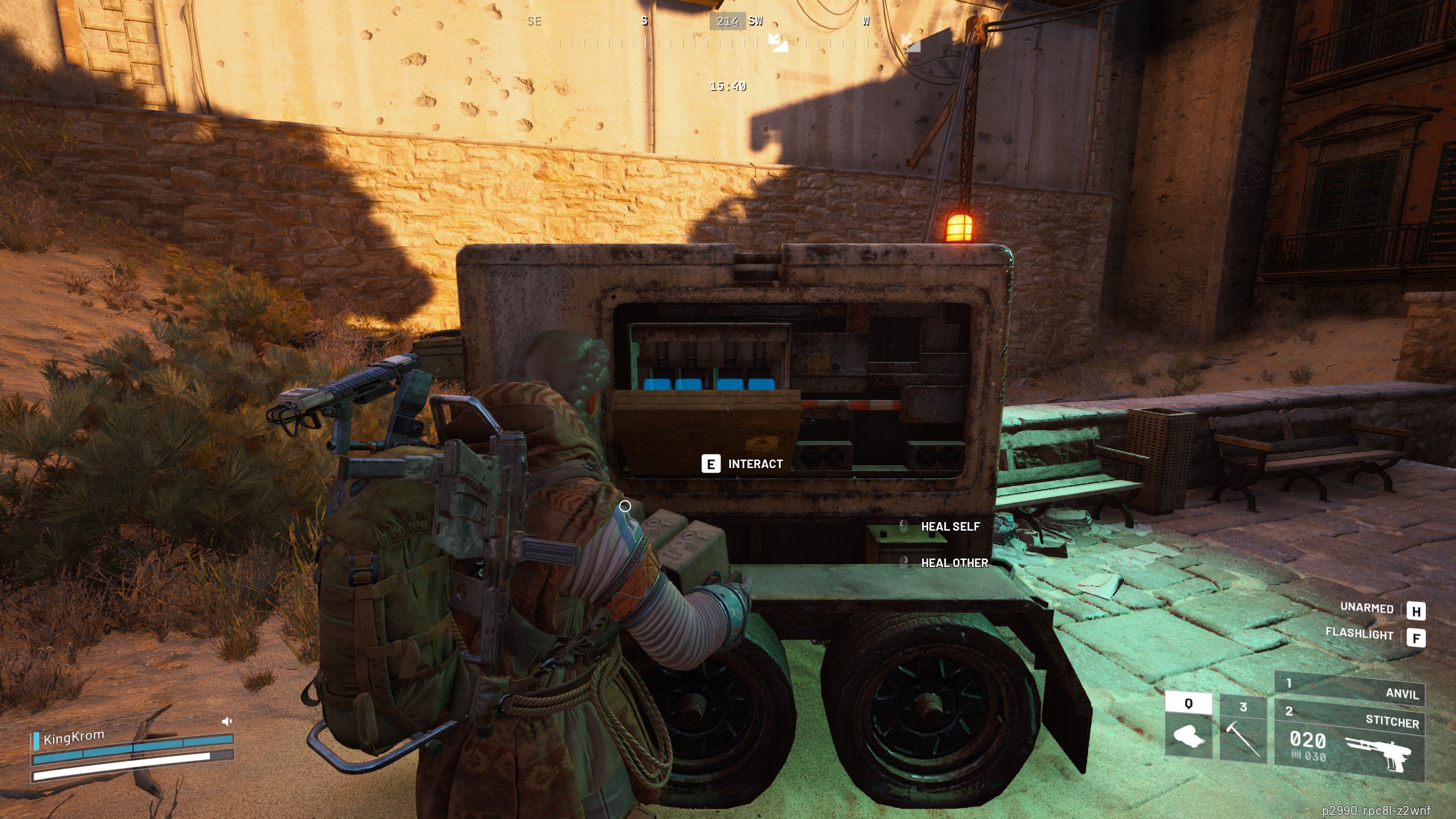
The Strategic Foundation of Communication Hideouts in Arc Raiders: Mechanics, Evolution, and Tactical Integration
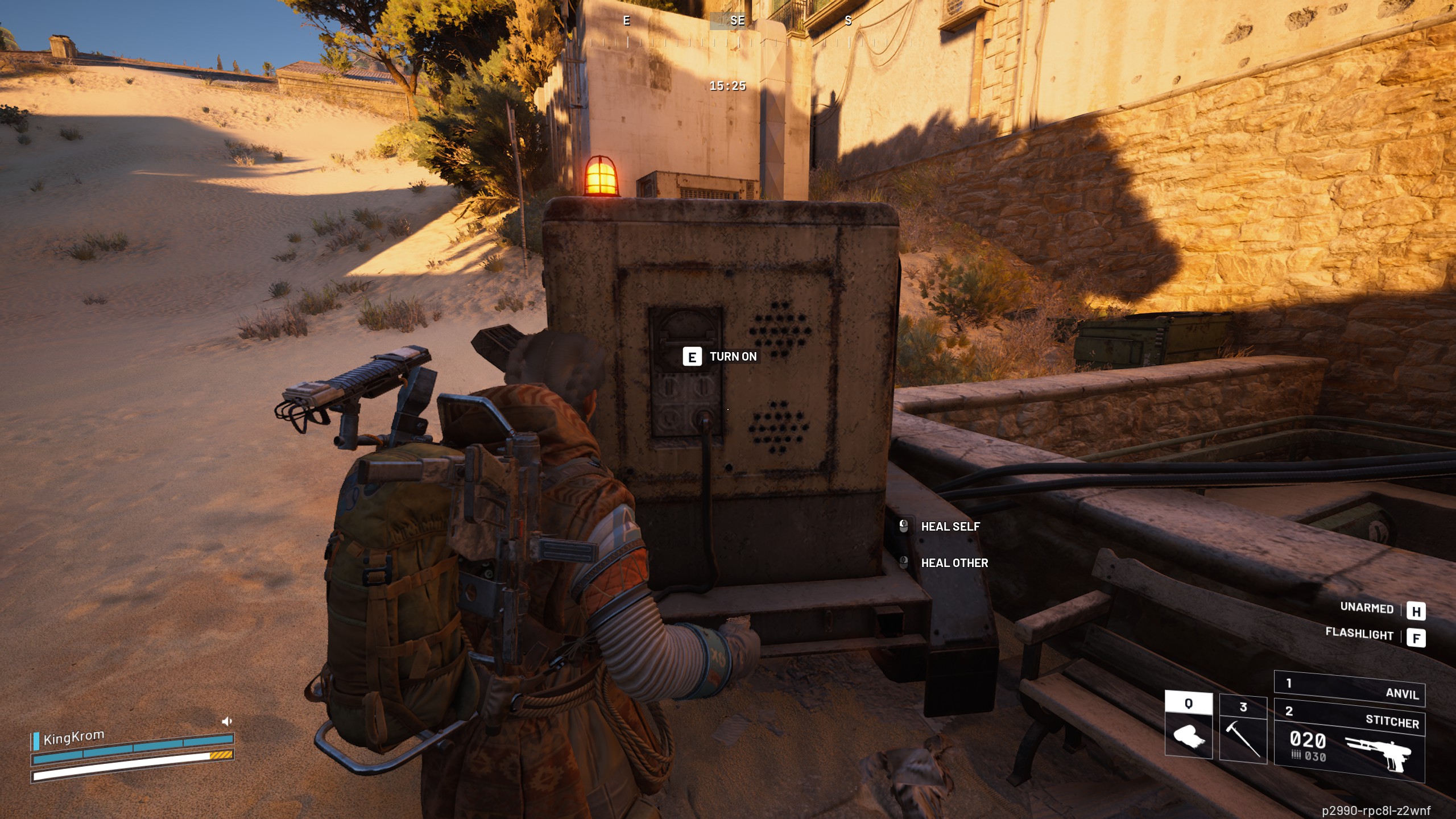
Communication hideouts in Arc Raiders serve as the backbone of coordinated operations, blending tactical stealth with advanced technological infrastructure. These structures function as fortified command centers where players establish secure communication networks, deploy encryption protocols, and manage real-time data exchange. Unlike conventional bases, hideouts prioritize low detectability, adaptability, and seamless integration with the game’s dynamic systems—such as faction alliances, supply chains, and enemy counterintelligence. Their design reflects a fusion of modular engineering and strategic foresight, allowing teams to maintain operational superiority across PvP, PvE, and survival scenarios. Below is a breakdown of their core mechanics, evolutionary adaptations, and tactical applications.
Core Mechanics: How Communication Hideouts Operate Within Arc Raiders
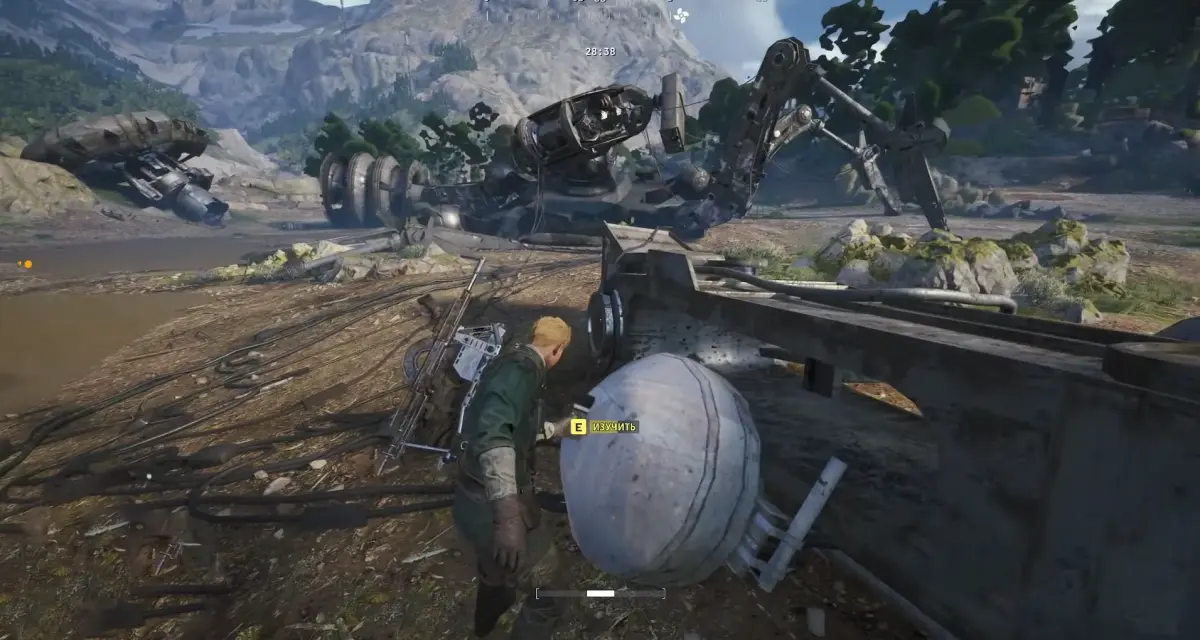
A communication hideout in Arc Raiders is a multi-tiered structure designed to facilitate encrypted messaging, signal relay, and logistical coordination while minimizing exposure to enemy detection. At its foundation, a hideout operates through three primary systems: 1. Signal Transmission Networks – Utilizing quantum-entangled relays or atmospheric wave modulation, hideouts establish long-range communication links resistant to jamming. These networks often incorporate frequency-hopping algorithms to evade interception, with surface hideouts leveraging satellite uplinks and underground variants relying on subterranean signal amplifiers. 2. Stealth and Camouflage Protocols – Hideouts employ adaptive cloaking fields, thermal dampeners, and terrain-mimicking exteriors to reduce radar and motion sensor cross-sections. Mobile hideouts, such as armored rover bases, deploy active decoy systems to simulate false heat signatures, while static structures integrate with environmental foliage or urban ruins for passive concealment. 3. Resource and Data Hubs – Centralized servers within hideouts manage inventory distribution, repair queues, and intelligence feeds. These hubs interface with supply drones and automated logistics pipelines, ensuring seamless resupply of ammunition, medkits, and tech upgrades. Advanced hideouts feature AI-driven logisticians that prioritize critical deliveries based on real-time combat analytics.
The effectiveness of a hideout hinges on its signal integrity and structural resilience. For instance, a surface hideout in a desert biome may suffer from high thermal detection risks but offers superior visibility for sniping support, whereas an underground facility in a cavern system provides near-incomplete stealth but limited expansion space.
In-Game Hideout Locations and Their Unique Features
Hideouts in Arc Raiders are categorized by biome compatibility, structural mobility, and defensive specialization. Below are notable examples and their distinguishing traits:
- Surface Hideouts (e.g., Scorched Outpost, Frostwatch Tower)
- Features: Modular solar panel arrays for power, retractable turret emplacements, and weather-resistant exteriors.
- Use Cases: Ideal for PvP skirmishes in open terrains, where rapid deployment and aerial surveillance are prioritized. The Scorched Outpost in volcanic regions includes lava-resistant plating, enabling operations near high-risk zones.
- Limitations: Vulnerable to artillery strikes and drone recon; requires frequent maintenance against sandstorms or monsoons.
- Underground Hideouts (e.g., Cavern Nexus, Subterran Shield)
- Features: Self-sealing bulkheads, geothermal power generators, and acoustic dampeners to suppress seismic activity alerts.
- Use Cases: Dominant in PvE raids against mechanized enemies or long-term survival bases, where stealth and resource hoarding are critical. The Subterran Shield in glacial tunnels incorporates anti-freeze coatings to prevent structural failure.
- Limitations: Limited vertical expansion; oxygen recycling systems may fail under prolonged siege conditions.
- Mobile Hideouts (e.g., Ironclad Rover, Skyhook Mobile Hub)
- Features: Hover-capable chassis, self-repairing nanotech hulls, and deployable force fields for temporary shielding.
- Use Cases: Essential for hit-and-run tactics in PvP or scouting missions in unexplored zones. The Skyhook Mobile Hub can detach and reattach to floating debris, evading ground-based threats.
- Limitations: High fuel consumption; susceptible to EMP attacks if overloaded with equipment.
- Faction-Specific Hideouts (e.g., Vanguard Beacon, Rogue Den)
- Features: Unique tech trees tied to faction reputation, such as Vanguard’s adaptive camouflage or Rogue’s signal-jamming emitters.
- Use Cases: Alliance coordination benefits from shared hideout upgrades, while rogue operatives exploit black-market encryption to bypass faction scanners.
- Limitations: Resource locks prevent cross-faction compatibility; some hideouts require elite faction permits to access.
Evolution of Hideouts Across Arc Raiders Updates
Hideouts have undergone significant transformations since Arc Raiders' initial release, reflecting shifts in gameplay balance and technological advancements. Key updates include:
- Early Access (2023) – Basic Stealth and Signal Boosters
- Hideouts were static, biome-locked structures with rudimentary encryption.
- Limitation: Signal range was linear, creating dead zones in mountainous regions.
- Player Adaptation: Communities developed relay networks using portable signal repeaters.
- Update 1.2 (2024) – Modular Expansion and Mobility
- Introduction of prefabricated hideout modules, allowing players to mix and match components (e.g., combining a surface power core with an underground command center).
- Mobile hideouts were added, enabling dynamic base-building during raids.
- Strategic Impact: Teams could now abandon and relocate hideouts mid-mission, reducing vulnerability to prolonged sieges.
- Update 2.1 (2025) – AI Integration and Adaptive Defense
- Autonomous defense turrets with predictive targeting were integrated, reducing the need for manned guard rotations.
- Hideout "personality" systems allowed structures to learn enemy patterns, adjusting stealth protocols automatically.
- Example: A hideout in a high-traffic PvP zone would minimize light emissions during night cycles and increase turret aggression during peak raid hours.
- Update 3.0 (2026) – Faction-Specific Tech Trees and Supply Synergy
- Hideouts gained exclusive upgrades tied to faction research, such as Vanguard’s cloaking fields or Mercenary’s rapid-repair nanites.
- Supply chain integration enabled hideouts to prioritize deliveries based on nearby threats (e.g., auto-ordering anti-drone nets if aerial scouts are detected).
- Community Shift: Players specialized hideouts for specific roles (e.g., logistics hubs, intel gathering, or high-risk PvP strongholds).
Essential Components for Building or Upgrading a Hideout
Constructing or enhancing a hideout requires a combination of resources, blueprints, and technological prerequisites. Below is a tiered breakdown of essential components:
- Foundational Requirements
- Primary Structure: A reinforced framework (e.g., Steel Skeleton or Ceramic Composite) resistant to kinetic damage.
- Power Core: Fusion reactors (high output, high cost) or solar/geothermal arrays (sustainable, lower efficiency).
- Signal Relay: Basic transmitter (short-range) or quantum entanglement module (long-range, requires rare crystals).
-
Stealth and Defense Upgrades
- Camouflage Systems:
- Thermal Dampeners (reduces heat signatures by 70%).
- Adaptive Paint (mimics surroundings; requires biome-specific pigments).
- Defensive Measures:
- Kinetic Shield Generators (absorbs projectile damage; consumes stabilized plasma).
- Decoy Emitters (simulates false thermal/motion signatures; drains power cells).
-
Communication and Logistics Enhancements
- Encryption Modules:
- Standard Cipher (basic; crackable with hacking tools).
- *Neural Firewall
- Supply chains: Pre-positioned caches of explosives, medkits, or cloaking devices are accessed via coded access points, minimizing exposure during resupply runs.
- Troop rotation systems: Squads cycle through hideouts in shifts, allowing for rest, rearmament, and intel briefings without overloading a single location.
- Terrain-based deployment: Hideouts near elevated terrain or urban ruins enable snipers or engineers to project force while maintaining deniability. A decision-making flowchart for hideout selection would prioritize: 1. Primary Objective Alignment: Is the hideout optimizing for loot extraction, enemy suppression, or stealth infiltration? 2. Enemy Threat Assessment: Are known patrol routes, turrets, or boss spawns within direct line of sight? 3. Terrain Advantages: Does the location offer cover, high ground, or signal amplification? 4. Resource Sustainability: Can the hideout support the raid’s duration without resupply bottlenecks? 5. Contingency Exit Routes: Are there alternate escape paths in case of detection? Example Flowchart Structure: ``` [Start] → [Define Raid Objective] → [Scan Enemy Patterns] → [Evaluate Terrain] → [Assess Resource Capacity] → [Select Hideout] → [Deploy Phased Strategy] ``` Each branch includes conditional checks (e.g., "If enemy has aerial drones, prioritize underground hideouts").
- Frequency-hopping encryption: Channels shift between predefined signal bands every 30 seconds to evade jamming.
- Coded transmissions: Short-hand phrases (e.g., "Sunset Protocol" = retreat) or binary-based symbols transmitted via environmental cues (e.g., gunfire bursts).
- Decoy channels: Fake comms traffic is broadcast to mislead enemies about troop movements or intended targets.
- Silent coordination systems: Hand signals, tactical light pulses, or vibration-based alerts (e.g., tapping walls) for stealth operations. Table: Protocol Implementation by Raid Phase
- Role specialization: Designated comms officers, medics, and scouts reduce cognitive overload, ensuring clear chains of command.
- Morale maintenance: Hideouts with shared victory logs, humor channels, or rest areas mitigate fatigue-induced errors.
- Conflict resolution: Disputes over tactics are mediated via structured vote systems (e.g., "7/10 squad approval" for risky maneuvers). Common Leadership Pitfalls in Hideouts:
- Overcentralization: Relying on a single leader for all decisions creates bottlenecks.
- Information hoarding: Senior members withholding critical intel to assert dominance.
- Ignoring non-verbal cues: Misinterpreting silence or hesitation as disinterest rather than stress.
- False retreat signals: Broadcasting fake distress calls from a hideout to lure enemies into ambush zones.
- Ambush triggers: Hideouts near enemy supply depots allow teams to disrupt resupply lines while maintaining plausible deniability.
- Misinformation campaigns: Leaking false intel about hideout locations to fragment enemy reinforcements. Case Study: The "Ghost Protocol" Raid > "Operation: Silent Storm" – A high-profile raid on the Obsidian Citadel hinged on a three-layer hideout network. The primary hideout, disguised as a ruined temple, served as a decoy command center, while secondary nodes near the citadel’s flank gates managed real-time adjustments. The team used encrypted drone feeds to monitor enemy reinforcements, feeding false data to convince enemies the main assault would come from the east. Meanwhile, a stealth squad infiltrated via underground tunnels, planting explosives in the citadel’s power core. The hideouts’ phased communication blackouts during critical moments prevented enemy counter-intel from triangulating the true strike force. The raid succeeded with minimal casualties, a testament to hideout-based psychological warfare.
- Over-reliance on a single hideout: Detection of one location compromises the entire operation.
- Poor signal management: Leaving comms channels open to enemy spoofing.
- Neglecting environmental factors: Ignoring acoustic shadows (e.g., canyons amplifying sound) or electromagnetic interference.
- Static deployment plans: Failing to adapt hideout roles mid-raid (e.g., repurposing a loot hub as a medical bay). Quote from Arc Raiders Tactician "Vex-7": > "A hideout is only as strong as its weakest link—whether that’s a traitor in your squad, a static comms frequency, or a leader who refuses to abandon a losing position."
- A Standard Radio (Tier 1) can be upgraded to a Long-Range Military Radio (Tier 3) by adding a High-Gain Antenna and Encrypted Transmitter Module.
- A Basic Drone Relay (Tier 2) evolves into an AI-Piloted Scout Network (Tier 4) with the integration of Neural Control Nodes and Adaptive Camouflage Coatings.
- Installation: Deploy buried coaxial cables between hideout nodes to create a hardwired network resistant to EMP attacks.
- Power Source: Use solar-powered repeaters (for surface hideouts) or geothermal generators (for underground bases) to maintain signal integrity during blackouts.
- Redundancy: Set up manual Morse code relays as a last-resort fallback if all electronic systems fail. 2. Digital Core Layer (Primary Operations)
- Network Backbone: Install a Quantum Router Hub to manage encrypted data streams between team members, drones, and external scouts.
- Jamming Countermeasures: Equip the hub with frequency-hopping protocols and AI-driven signal analyzers to detect and evade enemy electronic warfare.
- Power Management: Use fusion battery banks for sustained operation, supplemented by kinetic chargers (for mobile deployments). 3. AI-Assisted Intelligence Layer (Predictive Coordination)
- Neural Link Integration: Deploy Team Synapse Nodes to allow real-time data sharing between squad members, including shared tactical HUDs and predictive threat alerts.
- Autonomous Drones: Field Swarm Intelligence Drones to monitor enemy movements, relay ambush coordinates, and simulate decoy engagements.
- Fail-Safes: Implement self-destruct protocols for critical nodes to prevent capture, triggered by motion sensors or unauthorized access attempts.
- Signal Jamming: Deployed by Rogue AI Drones or Mercenary EW Teams, disrupting radio and drone networks within a 500-meter radius.
- Cyber Intrusions: Hacker Factions exploit vulnerabilities in digital networks to inject false data, hijack drones, or broadcast misleading orders.
- Physical Sabotage: Saboteur Units target power sources or communication hubs, using EMP grenades or surgical strikes to cripple operations. Countermeasures include:
- Dynamic Frequency Shifting: AI-driven systems automatically adjust transmission frequencies to evade jamming.
- Firewall Protocols: Digital networks use biometric authentication and quantum encryption to prevent unauthorized access.
- Decoy Systems: Fake communication hubs with trap mechanisms lure enemies into revealing their positions before activation.
- Monitor Enemy Patrols: Motion-sensitive drones and seismic sensors detect troop movements before they enter raid zones.
- Predict Environmental Hazards: Weather AI modules forecast sandstorms, radiation spikes, or structural collapses, allowing preemptive adjustments.
- Decrypt Enemy Chatter: Signal intelligence (SIGINT) decoders intercept faction communications, revealing ambush locations, supply routes, and weaknesses in enemy formations. For example, a Tier 4 Hideout equipped with a Neural Decryption Array can translate enemy coded messages in real-time, providing a 30-50% advantage in defensive planning.
- Environmental resilience: Deploy geo-stabilizers to anchor structures against seismic activity and atmospheric filters to neutralize toxic gas leaks. Use reinforced domes for storm-proofing, particularly in high-altitude hideouts.
- Structural integrity: Prioritize high-density alloy framing for load-bearing walls and redundant power nodes to prevent cascading failures. Modular construction allows quick repairs without full reconstruction.
- Infiltration countermeasures: Multi-layered access protocols (biometric + code + physical key) deter unauthorized entry. Decoy chambers with fake power signatures mislead scouts into wasting resources.
- Pre-Construction Phase
- Select a location with natural barriers (e.g., canyons, dense forests) to limit aerial surveillance.
- Assess geological stability—avoid fault lines or erosion-prone terrain.
- Map escape routes and secondary exits in case of siege.
- Structural Reinforcement
- Install shock-absorbent flooring to mitigate explosions or impacts.
- Use adaptive walls that harden under attack (e.g., ceramic-plated panels).
- Integrate self-sealing breaches for critical chambers (e.g., comms hubs).
- Power and Systems Redundancy
- Implement dual power sources (fusion + solar) with automatic failover.
- Shield data cores with magnetic dampeners to prevent EMP damage.
- Deploy backup generators powered by hidden fuel caches.
- Defensive Perimeter
- Install motion sensors and thermal cameras at entry points.
- Use decoy heat signatures to mask real hideout locations.
- Plant electrified tripwires along approach paths.
- Emergency Protocols
- Designate silent alarm frequencies for comms blackout scenarios.
- Train personnel in manual override of automated defenses.
- Maintain offline data backups in sealed vaults.
- Decoy Structures: Build false outposts with fake power emissions near actual hideouts. Use drone patrols to simulate activity in decoy locations while keeping the real hideout dormant.
- Environmental Camouflage: Camouflage hideouts using native flora (e.g., vines, moss) or terrain blending (e.g., rock formations, sand dunes). Light discipline—minimizing artificial light at night—reduces visibility.
- Operational Silence: Limit radio chatter during critical phases. Use one-time pads for encrypted messages and dead drops for physical data transfers.
- Dynamic Relocation: Rotate secondary hideout modules to prevent enemy triangulation. Mobile comms relays allow temporary detachment from fixed locations. Example: A high-altitude hideout in the Jotunn Peaks might use ice tunnels for natural concealment, while a desert hideout could bury sand-sculpted entrances that only open via thermal detection.
- Sentries and Patrols
- Deploy AI sentinels with adaptive patrol routes to cover blind spots.
- Use human guards for social engineering detection (e.g., impersonators).
- Implement rotating watch schedules to prevent complacency.
- Traps and Countermeasures
- Pressure-plate traps trigger EMP bursts to disable intruder tech.
- Acid sprays or sonic emitters create hazardous entry zones.
- Self-destruct mechanisms erase data if tampering is detected.
- Automated Defenses
- Turret networks with split-second targeting eliminate threats before they reach comms nodes.
- AI-driven counter-sniper systems neutralize long-range scouts.
- Voiceprint authentication prevents spoofed commands.
- Reinforced walls (absorb damage)
- Noise dampeners (mask comms)
- Camouflage paint (visual stealth)
- Smart turrets (adaptive targeting)
- Drone swarms (area denial)
- Holographic decoys (distraction)
- Graffiti and Markings: Rebel slogans, corporate logos, or coded messages can indicate faction control, recent conflicts, or internal politics. For example, a hideout under siege might feature hastily painted warnings or morale-boosting phrases.
- Abandoned Equipment: Scattered tools, broken drones, or half-dismantled machinery suggest recent activity or past battles. A research lab might have discarded prototypes, while a combat outpost could display damaged armor or spent ammunition casings.
- Faction Insignia and Symbols: Visible emblems, rank badges, or propaganda posters reinforce the hideout’s allegiance. A neutral trading hub might display multiple faction symbols, indicating its brokerage role.
- Personalized Touches: Customized terminals with player avatars, personal notes, or inside jokes create a sense of ownership. A mess hall might feature a bulletin board with team announcements or a "Wanted" list for rival factions.
- Structural Damage: Bullet holes, reinforced walls, or jury-rigged repairs reflect the hideout’s history of conflict. A post-apocalyptic bunker might show signs of long-term neglect, while a futuristic arcology could have sleek, unblemished surfaces with hidden defensive layers.
- Mess Hall: A gathering space for team coordination, this area might feature faction-specific menus, bulletin boards with mission updates, or graffiti depicting team victories. A rebel hideout’s mess hall could serve rationed synth-meat, while a corporate outpost might offer gourmet lab-grown meals for officers.
- Armory: The layout and equipment here should reflect the hideout’s combat focus. A rebel armory might stockpile scavenged weapons with jury-rigged modifications, while a corporate armory would prioritize serialized, high-tech firearms with restricted access. Scattered maintenance logs or training schedules add depth.
- Research Lab: This area should showcase the hideout’s technological or scientific pursuits. A neutral trading hub might display blueprints for sale, while a rebel lab could have stolen corporate tech under repair. Failed experiments or classified notes left open on terminals invite exploration.
- Command Center: The hub of operations, this space should include mission briefings, real-time threat displays, and personal logs from the hideout’s operator. A post-apocalyptic bunker might use analog maps and flickering screens, while a futuristic arcology could feature holographic projections and AI assistants.
- High survivability in prolonged sieges.
- Encourages guerrilla tactics and resource scarcity.
- Limited but reliable power sources.
- Storylines centered on survival and moral decay.
- Opportunities for faction conflicts over supplies.
- Environmental storytelling through decay and repurposed tech.
- Vulnerable to high-tech opponents.
- Limited mobility and expansion.
- Advanced defensive and offensive tech.
- AI-assisted logistics and threat analysis.
- Scalable infrastructure for large teams.
- Narratives of corporate espionage or technological supremacy.
- Exploration of AI ethics and automation.
- Opportunities for high-stakes heists or sabotage.
- High maintenance costs and dependency on power.
- Potential for system failures or hacking threats.
- Ability to relocate rapidly, evading enemy focus.
- Adaptable to different environments.
- Enc
Advanced Tactics: Exploiting Hideouts for High-Risk, High-Reward Raids
Elite Arc Raiders operators transform hideouts from mere safe havens into dynamic command hubs for executing high-risk, high-reward operations. These tactics blend precision coordination, psychological manipulation, and economic exploitation to dominate end-game content. Successful raids hinge on leveraging hideouts for staging, resupply, and adaptive countermeasures—turning static bases into fluid, ever-evolving assets. Below, explore how elite players orchestrate multi-stage assaults, manipulate in-game economies, and exploit hideouts as tactical decoys to outmaneuver adversaries.Multi-Stage Raid Coordination Using Hideouts
High-stakes raids in Arc Raiders often unfold across three critical phases: preparation (hideout staging), execution (dynamic assault), and contingency (strategic retreat or extraction). Hideouts serve as nerve centers where teams deploy modular strategies tailored to each phase. Preparation Phase: Hideout as a Command Hub Elite squads use hideouts to preemptively deploy false intelligence feeds—broadcasting decoy patrol routes or fake supply drops to mislead enemy scouts. For example, a raid on the Obsidian Citadel may begin with a simulated retreat from a nearby hideout, luring defenders into a poorly defended flank. Teams pre-stage modular loadouts (e.g., EMP charges, cloaking devices) in hidden compartments, ensuring rapid reconfiguration mid-raid. AI-assisted logistical networks within hideouts dynamically reroute reinforcements or medical drones based on real-time threat assessments, reducing dependency on static supply lines. Execution Phase: Adaptive Tactics and Resupply During the assault, hideouts act as resupply depots for critical mid-raid interventions. A team storming the Void Vault might trigger a pre-programmed smoke grenade barrage from a secondary hideout to obscure enemy reinforcements, while a third location relays targeted drone strikes on key chokepoints. Contingency protocols—such as auto-triggered shield generators or emergency teleport beacons—are hardcoded into hideout systems to mitigate losses. For instance, if a squad is ambushed, a fake distress signal can be broadcast from the hideout to divert enemy attention while the team executes a blind retreat to a pre-designated extraction point. Contingency Phase: Strategic Retreats and Economic Exploitation Failed raids often pivot to secondary objectives enabled by hideout infrastructure. If a primary artifact extraction fails, teams may abort to a nearby hideout and trigger a black-market auction for looted data, converting losses into economic gains. Hideouts equipped with smuggling tunnels allow teams to bypass enemy blockades, rerouting stolen goods to neutral zones for resale. Elite operators also use hideouts to manipulate faction reputations—selling intel to rival factions to sow discord or framing enemy raids as "accidental" to avoid retaliation.Risk vs. Reward: Economic and Operational Trade-offs
Hideout-based raids involve calculated gambles where rewards scale exponentially with risk. Below is a breakdown of key trade-offs: Operational Risks - Loss of High-Value Assets: A single failed extraction raid (e.g., Celestial Core) may wipe out three hideout upgrades worth of resources.
- Reputation Drain: Repeated high-risk raids against dominant factions (e.g., The Iron Legion) can trigger permanent bounties or territory locks.
- Enemy Adaptation: Over-reliance on hideout tactics may prompt adversaries to hack or sabotage staging locations, requiring constant counter-espionage measures. Potential Rewards
- Artifact Monopolies: Controlling extraction routes for Legendary Relics (e.g., Photon Forges) can grant exclusive crafting rights, dominating the black market.
- Faction Influence: Successful raids against neutral strongholds (e.g., The Hollow Spire) may unlock unique trade agreements, bypassing traditional supply chains.
- Technology Leaps: Looting prototypes (e.g., Quantum Lockpicks) from elite hideouts accelerates hideout tech trees, enabling future operations. Economic Manipulation via Hideouts Hideouts serve as leverage points in Arc Raiders' economy. Elite players exploit three primary methods: 1. Smuggling Networks: Hideouts with underground tunnels (e.g., Neon Bazaar Outpost) facilitate the movement of restricted materials (e.g., Void Crystals) between warring factions, creating artificial shortages. 2. Black-Market Auctions: Teams use hideouts to launder stolen goods by fragmenting shipments across multiple locations, obscuring ownership trails. 3. Resource Hoarding: Strategic stockpiling of rare minerals (e.g., Stellar Alloy) in hideouts allows teams to flood markets during shortages, driving prices to their advantage. Comparison: Solo vs. Team Hideout Operations
- Intel Gathering: Hideout AI scans enemy patrol patterns (via drone feeds).
- Resource Allocation: Distribute modular kits (e.g., hacking tools, medkits) across hideouts.
- Deception Setup: Broadcast fake retreat signals to lure defenders. 2. Execution Triggers
- Primary Objective: Assault enemy stronghold (e.g., Blackstar Nexus).
- Secondary Trigger: If primary fails, activate distraction protocol (e.g., hideout-based drone strike on enemy HQ). 3. Dynamic Adaptation
- Real-Time Adjustments: Hideout AI overseer reroutes reinforcements based on threat levels.
- Emergency Retreat: If >50% team lost, trigger teleport beacon to secondary hideout. 4. Post-Raid Exploitation
- Economic Conversion: Sell looted data via black-market auctions hosted from hideout.
- Reputation Management: Frame raid as "neutralization mission" to avoid retaliation. Contingency Paths
- Path A (Success): Extract artifact → auction immediately to prevent interception.
- Path B (Partial Failure): Abort extraction → smuggle partial loot via hideout tunnels.
- Path C (Total Failure): Sabotage own hideout to erase evidence → go dark for 72 hours.
Strategic Uses of Hideouts in Team-Based Raids: Command Centers, Adaptability, and Psychological Warfare
Hideouts in Arc Raiders transcend their role as mere resupply points or safe havens—they function as dynamic tactical command centers that dictate the success or failure of large-scale raids. Their strategic value lies in their ability to centralize logistics, coordinate troop movements, and execute real-time communication under extreme pressure. Parallels can be drawn to historical military operations, such as the Allied use of forward operating bases (FOBs) in Vietnam or NATO’s integrated air defense networks during the Cold War, where decentralized yet interconnected hubs enabled adaptive responses to fluid battlefield conditions. In Arc Raiders, these principles manifest through terrain-based positioning, resource allocation, and psychological manipulation, transforming hideouts into the nerve centers of coordinated assaults. The effectiveness of a hideout hinges on its dual functionality as both a logistical backbone and a communication nexus. Teams leverage them to deploy troops in phases, distribute supplies based on mission priorities, and relay critical intel without exposing primary channels to enemy interception. Real-world survival scenarios, such as Arctic research expeditions or deep-sea submersible operations, reinforce this concept: isolated outposts serve as lifelines for crew coordination, emergency protocols, and morale maintenance. In Arc Raiders, this translates to hideout placement near choke points, high-ground vantage points, or electromagnetic interference zones to control information flow and dictate enemy countermeasures.Logistics and Troop Deployment from Hideouts
Hideouts act as distribution nodes for resources, ammunition, and specialized equipment, ensuring teams operate at peak efficiency during prolonged raids. A well-structured hideout integrates:Advanced Communication Protocols Within Hideouts
Secure and layered communication prevents enemy infiltration of team channels. Players implement:Phase Primary Protocol Secondary Backup Contingency Infiltration Whisper-mode voice (encrypted) Morse via environmental sounds Visual signals (mirror flashes) Engagement Real-time tactical grid coordinates Coded emoji icons in chat Smoke signals (if outdoors) Exfiltration Pre-set extraction points GPS spoofing (if tech available) Silent retreat paths Psychological and Social Dynamics of Hideout Coordination
Hideouts become microcosms of team psychology, where leadership, morale, and conflict resolution directly impact raid outcomes. Key dynamics include:Manipulating Enemy Movements Through Hideout Tactics
Hideouts enable deception and feints by controlling enemy perception. Strategies include:Critical Mistakes in Hideout-Based Raiding
Teams often falter due to:Technology and Gadgets Enhancing Hideout Communication in Arc Raiders: From Analog Relays to AI-Assisted Networks
Hideouts in Arc Raiders transcend mere shelter—they evolve into dynamic command centers fueled by cutting-edge technology, where communication is the linchpin of survival and victory. The integration of gadgets ranging from low-tech analog devices to high-end neural-linked systems transforms hideouts into impenetrable fortresses of intelligence, coordination, and psychological dominance. These tools enable players to manipulate the battlefield before, during, and after raids, turning raw data into tactical supremacy. Understanding the mechanics of scavenging, crafting, and upgrading these gadgets, as well as their strategic deployment, is critical for maximizing operational efficiency while mitigating risks from enemy countermeasures.Available Communication Gadgets and Their Functional Roles
Arc Raiders offers a diverse arsenal of communication gadgets, each designed for specific operational needs. These tools can be categorized into analog, digital, and AI-assisted tiers, each with distinct advantages depending on the raid environment and enemy threat level. Analog Gadgets rely on traditional signal transmission methods, such as radio waves or physical relays, and are ideal for environments with high electronic interference or where stealth is prioritized. Digital Gadgets leverage encrypted data streams, neural interfaces, or drone networks, providing real-time intelligence and coordination but demanding advanced power sources and maintenance. AI-Assisted Systems represent the pinnacle of hideout technology, offering predictive analytics, adaptive countermeasures, and autonomous threat detection—though they require rare materials, high-tier blueprints, and skilled technicians to operate effectively.Scavenging, Crafting, and Upgrading Communication Tech
Acquiring and optimizing communication gadgets involves a multi-step process combining field extraction, resource allocation, and specialized labor. Players must first scavenge rare materials such as Neuralite Crystals (for AI modules), Quantum Fibers (for high-speed data relays), and Corroded Circuit Boards (for analog upgrades) from high-risk zones like derelict research facilities or enemy strongholds. These materials are often guarded by elite factions or require advanced hacking tools to retrieve. Once collected, materials can be used in crafting stations to assemble gadgets based on available blueprints. Blueprints range from basic schematics (found in standard loot drops) to experimental designs (requiring faction reputation or rare quest rewards). Upgrading existing gadgets involves modular enhancements, such as adding signal amplifiers, jamming-resistant encoders, or redundant power cells to extend operational lifespan. For example:Step-by-Step Procedure for Building a Multi-Layered Communication Network
Constructing a redundant communication network ensures continuity even if one layer is compromised. Below is a structured approach to setting up a three-tiered system combining analog, digital, and AI elements: 1. Foundational Analog Layer (Primary Backup)Enemy Detection and Disruption of Hideout Communications
Enemy factions in Arc Raiders employ electronic warfare (EW), cyber infiltration, and physical sabotage to neutralize hideout communications. Common threats include:Comparison of Communication Tech Tiers in Raid Scenarios
The effectiveness of communication technology varies drastically depending on the raid type, enemy composition, and environmental conditions. Below is a comparative analysis of three tech tiers across stealth raids, large-scale assaults, and high-tech infiltrations:Gadget Tier Stealth Raids (Low Signal, High Risk) Large-Scale Assaults (High Noise, Team Coordination) High-Tech Infiltrations (Cyber Warfare, AI Threats) Basic Walkie-Talkies (Tier 1) Limited range (100m), vulnerable to jamming; ideal for small, silent teams. Ineffective due to signal congestion; requires relay stations. Completely useless against AI countermeasures. Long-Range Radios + Drone Relays (Tier 3) Effective for covert coordination with drone scouts; low risk of detection if using directional antennas. Reliable for commander-to-squad updates, but prone to interference in urban zones. Drone relays can be hacked; requires encrypted channels. AI Neural Links + Quantum Routers (Tier 5) Real-time HUD sharing enables precise ambushes; AI predicts enemy counter-moves. Seamless team synergy with predictive fire support; immune to most jamming. Dominant in cyber warfare; AI detects and neutralizes 90% of intrusions. Intelligence Gathering Through Hideout Technology
Hideout communication networks extend beyond coordination—they serve as early warning systems and reconnaissance hubs. By integrating sensor arrays, hacker terminals, and AI analysts, players can:Visual Description of a Fully Upgraded Hideout Communication Hub
Infographic Concept: "The Omni-Comm Nexus" The central chamber of the hideout is a geodesic-dome structure, lined with pulsing holographic displays that project real-time data feeds from across the battlefield. The hub is dividedSurvival and Defense: Securing Your Hideout Against Threats in Arc Raiders
In Arc Raiders, a hideout is more than just a communication hub—it is a vulnerable stronghold exposed to environmental hazards, enemy sieges, and systemic failures. Structural weaknesses, power fluctuations, and infiltration risks demand proactive fortification strategies to ensure operational continuity. Effective defense integrates passive and active measures, balancing resource allocation with adaptability to evolving threats. This section explores vulnerabilities, fortification protocols, and scalable defense timelines, culminating in a comparative analysis of elite hideout designs optimized for survival.Vulnerabilities of Hideouts and Mitigation Strategies
Hideouts in Arc Raiders face three primary threat categories: environmental degradation, structural instability, and hostile incursions. Environmental threats include extreme weather (e.g., solar flares disrupting power grids, magnetic storms corrupting data), wildlife infestations (e.g., aggressive fauna damaging infrastructure), and territorial disputes with rival factions. Structural weaknesses stem from suboptimal construction materials, such as unshielded power cores prone to overload or thin-walled chambers vulnerable to breaching. Hostile incursions involve direct assaults by rival raiders, automated drones, or AI-driven sabotage. Mitigation requires layered defense:Checklist for Fortifying Hideouts Against Environmental and Enemy Threats
A systematic approach to hideout defense ensures no critical weakness is overlooked. Below is a priority-based checklist, categorized by threat type and defense phase.Tactics for Maintaining Hideout Secrecy
Stealth is as critical as strength in Arc Raiders. Hideouts must evade detection through misdirection, environmental integration, and operational security (OPSEC). Effective tactics include:Role of Sentries, Traps, and Automated Defenses in Protecting Communication Systems
Communication networks are prime targets for sabotage. Multi-tiered defense systems ensure unauthorized access is detected and neutralized before breaches occur.Automated defenses excel in speed and precision but require power-intensive maintenance. Manual sentries provide flexibility but are vulnerable to fatigue or bribery. A hybrid approach—AI for perimeter defense, humans for critical decision-making—yields optimal results.
Passive vs. Active Defense: Resource Cost and Effectiveness
Defense strategies vary in resource consumption and scalability. Below is a comparison of passive (preventive) and active (reactive) measures:Defense Type Resource Cost Effectiveness Best Use Case Example in Arc Raiders Passive Defense Low-Medium (initial setup) High against predictable threats Early-game or static hideouts Active Defense High (power, maintenance) High against dynamic threats End-game or high-risk raids Role-Playing and Immersion: Building a Hideout Backstory in Arc Raiders
A hideout in Arc Raiders transcends its functional role as a respawn point or tactical base—it becomes a living extension of a player’s identity, faction allegiance, and narrative within the game’s universe. Crafting a compelling backstory transforms a mere shelter into a dynamic hub of activity, where every wall, terminal, and piece of equipment whispers stories of survival, conflict, or collaboration. Immersion deepens when players align their hideout’s design, purpose, and environmental details with the game’s lore, creating a cohesive world that enhances role-playing and strategic cohesion. Whether operating as a rogue rebel cell, a corporate intelligence outpost, or a neutral trading post, the hideout’s backstory shapes player agency, influences teammate interactions, and dictates long-term objectives. The foundation of an immersive hideout lies in its narrative consistency—every element, from graffiti to abandoned equipment, should reinforce the hideout’s purpose and history. Players must balance functionality with storytelling, ensuring that customization choices reflect both gameplay needs and thematic coherence. Below, structured approaches and creative tools are provided to develop a hideout backstory that feels organic, engaging, and deeply integrated into Arc Raiders’s universe.Aligning Hideout Design with Faction and Player Identity
Hideouts serve as visual and functional manifestations of a player’s faction, personality, or playstyle. A rebel hideout, for instance, might feature scavenged tech, makeshift defenses, and propaganda posters advocating for resistance, while a corporate outpost would prioritize sleek, high-tech infrastructure with restricted access points and branded security systems. The design choices—such as color schemes, material use, and structural layout—should mirror the faction’s aesthetic and operational ethos. For players who prefer a minimalist approach, a hideout might resemble a nomadic outpost with modular, easily transportable structures, reflecting a mobile or guerrilla playstyle. Conversely, a high-tech hideout could incorporate advanced AI-driven systems, holographic interfaces, and automated turrets, catering to a more strategic or futuristic faction. Environmental details like faction insignia, scorch marks from battles, or repurposed enemy equipment reinforce the hideout’s narrative, making it feel like a lived-in space rather than a generic base.Environmental Storytelling Elements for Depth
Environmental storytelling transforms a hideout from a static location into a dynamic narrative space. Players can incorporate the following elements to enrich their hideout’s backstory:Functional Areas as Narrative Beacons
A hideout’s functional zones—such as a mess hall, armory, or research lab—should serve dual purposes: operational efficiency and narrative immersion. Each area can be customized to reflect its role within the hideout’s broader story.Comparative Analysis of Hideout Themes and Their Gameplay Impact
The choice of hideout theme significantly influences gameplay dynamics, immersion, and strategic possibilities. Below is a comparison of three distinct hideout archetypes and their implications:Hideout Theme Design Aesthetic Gameplay Strengths Narrative Opportunities Potential Weaknesses Post-Apocalyptic Bunker Rustic, modular, with scavenged materials; low-tech but highly defensible. Futuristic Arcology Sleek, high-tech, with automated systems; prioritizes efficiency and aesthetics. Nomadic Mobile Base Modular, lightweight, with retractable structures; designed for mobility.
Key Insight: Solo operators rely on stealth and precision, while teams leverage hideouts for layered defense and adaptive resupply. However, teams risk collateral damage—a single compromised hideout can expose the entire operation.Metric Solo Operations Team Operations Success Rate 30–40% (high variability) 60–85% (scalable coordination) Resource Efficiency Low (wasted on failed attempts) High (shared costs, specialized roles) Risk Exposure Moderate (single point of failure) High (but distributed across team) Economic Impact Limited (small-scale trades) Exponential (large-scale smuggling/auctions) Hideout Dependency Critical (no backup) Redundant (multiple staging points) Decision Tree: Launching a High-Risk Raid from a Hideout
The flowchart below outlines the logical progression of a hideout-based raid, incorporating contingency branches for failure. Visualize this as a modular decision tree where each node represents a hideout function: 1. Pre-Raid AnalysisBaiting Enemies: Hideouts as Decoys and Trap Hubs
Hideouts are not just operational bases—they are psychological weapons. Elite players employ three primary decoy tactics: 1. Fake Retreat Signals Teams stage a simulated withdrawal from a hideout, broadcasting distress calls to lure enemy forces into an ambush. For example, a squad may abandon a high-visibility hideout (e.g., Coastal Watchtower) while hiding in a cloaked underground bunker nearby. When enemies converge, the team counterattacks with pre-positioned turrets and EMP pulses. 2. Decoy Communication Feeds Hideouts can spoof faction transmissions, making enemies believe a high-value target (e.g., a rogue AI core) is being transported to a specific location. By leaking fake coordinates, teams force adversaries to waste resources on false pursuits while the real operation proceeds elsewhere. 3. Environmental TrapsThe communication hideout in Arc Raiders stands as a testament to the game’s depth, where technology, strategy, and storytelling collide. It is the unsung hero of raids—an often-overlooked yet indispensable tool that elevates lone survivors into formidable factions. By understanding its mechanics, exploiting its potential, and fortifying its vulnerabilities, players unlock a layer of gameplay that transcends mere survival. Whether you’re luring enemies into a trap with a decoy transmission or rallying your team through a storm of interference, the hideout’s true power lies in its adaptability. As the game’s landscapes shift and threats evolve, so too must the hideout: a living, breathing extension of a player’s vision, where every upgrade and every hidden detail could hold the key to the next great victory—or the first signs of a devastating ambush.
Leave a Comment
Comments are moderated before appearing. The data you submit is processed according to the Privacy Policy of Vetlife Archive.