The Rise of Wolverine Meme Arcane: How Internet Culture Transformed a Comic Icon
Table of Contents
- The Complete Overview of Wolverine Meme Arcane
- Historical Background and Evolution
- Core Mechanics: How It Works
- Key Benefits and Crucial Impact
- Major Advantages
- Comparative Analysis
- Future Trends and Innovations
- Conclusion
- Comprehensive FAQs
- Q: What exactly is the "Wolverine Meme Arcane," and how is it different from regular memes?
- Q: How does Marvel Studios benefit from the Wolverine Meme Arcane?
- Q: Can other characters replicate the Wolverine Meme Arcane?
- Q: Are there any risks to the Wolverine Meme Arcane?
- Q: How do creators monetize the Wolverine Meme Arcane?
- Q: Will the Wolverine Meme Arcane ever "die out"?
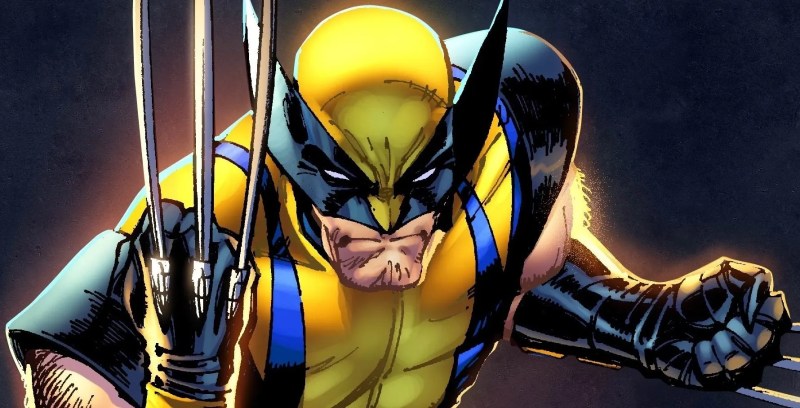
The Wolverine Meme Arcane isn’t just a joke—it’s a cultural algorithm, a self-replicating meme organism that has mutated Logan’s original narrative DNA into something entirely new. What began as a niche reference among Marvel fans has metastasized into a global phenomenon, where the growling, adamantium-clawed antihero now serves as both punchline and punchline-maker. The arcane here isn’t magic; it’s the unseen rules governing how memes evolve, how characters transcend their source material, and how the internet rewrites legends in real time.
Consider the trajectory: Wolverine’s first meme iterations were clumsy, born from early 2000s forums where fans repurposed his snarling visage for shock value. But by the time the Deadpool films turned him into a meme factory—“I’m the best at what I do” morphing into a template for self-deprecating humor—the Wolverine Meme Arcane had already begun its ascension. Today, it’s not just about Logan’s one-liners or his “healing factor” memes; it’s about the system that turns a comic book character into a living, breathing internet entity, capable of influencing everything from merchandise sales to political satire.
The arcane isn’t passive. It’s a feedback loop: creators mine Wolverine’s lore for content, the internet distills it into digestible formats, and the cycle repeats with increasing virality. The result? A character who no longer belongs solely to Marvel Studios or the X-Men comics, but to the collective unconscious of the digital age. This is how Wolverine Meme Arcane operates—not as a static meme, but as a dynamic, ever-shifting force that redefines what it means to be iconic in the 21st century.

The Complete Overview of Wolverine Meme Arcane
The Wolverine Meme Arcane represents the convergence of three distinct forces: the character’s built-in meme potential, the internet’s appetite for recursive humor, and the economic incentives that turn fandom into a self-sustaining industry. At its core, it’s a study in how digital folklore adapts characters to new contexts. Wolverine’s grunts, his adamantium claws, even his “I’m the best at what I do” catchphrase weren’t originally designed for memeification—but the internet, with its relentless optimization for shareability, repurposed them effortlessly. The arcane thrives on this mismatch between intent and reception, where a character’s original depth becomes grist for the meme mill.
What makes the Wolverine Meme Arcane particularly fascinating is its adaptability. Unlike static memes that rely on a single image or phrase, Wolverine’s digital persona is modular: his snarl can be grafted onto any scenario, from absurd product placements (“Wolverine approves this brand of energy drink”) to deep-cut references (“Wolverine’s healing factor vs. your student loans”). This flexibility ensures his meme lifespan extends far beyond the typical 24-hour viral cycle. The arcane isn’t just about virality; it’s about longevity—how a character becomes a cultural shorthand that persists across generations of internet users.
Historical Background and Evolution
The origins of Wolverine Meme Arcane trace back to the early 2000s, when fan art and image macros began circulating on sites like DeviantArt and 4chan. Wolverine’s exaggerated, feral expressions made him a natural fit for shock humor, but it wasn’t until the release of X-Men Origins: Wolverine (2009) that his meme potential exploded. The film’s over-the-top violence and Hugh Jackman’s physicality provided fresh material, but the real turning point came with Deadpool (2016). Ryan Reynolds’ meta-humor and Wolverine’s cameo as a meme-worthy sidekick cemented Logan’s status as a meme magnet. By 2017, the “Wolverine Meme Arcane” had fully crystallized—a term used by both creators and analysts to describe the self-sustaining cycle of Wolverine-related content.
The evolution of the arcane can be divided into three phases: Phase 1 (2000–2010) was dominated by static images and early macros, often tied to shock humor or fan service. Phase 2 (2010–2016) saw the rise of animated GIFs and reaction images, particularly after Wolverine (2013) and X-Men: Days of Future Past. The final phase, Phase 3 (2016–present), is characterized by AI-generated content, deepfake parodies, and even NFTs, where Wolverine’s likeness is tokenized and traded as digital art. Each phase reflects broader shifts in internet culture—from raw meme formats to algorithmically optimized content.
Core Mechanics: How It Works
The Wolverine Meme Arcane functions like a memetic black hole, pulling in content from across the web and repurposing it into new forms. The mechanics hinge on three pillars: recursion, remixability, and economic incentives. Recursion occurs when Wolverine’s existing memes spawn new variations (e.g., “Wolverine healing from a hangover” leading to “Wolverine healing from a breakup”). Remixability allows creators to layer Wolverine’s imagery onto unrelated contexts, from corporate ads to political memes. Meanwhile, economic incentives—such as Marvel’s merchandising and streaming strategies—ensure the arcane remains profitable, creating a feedback loop where the more Wolverine is memed, the more content is produced about him.
Another critical mechanic is cultural osmosis—the way Wolverine’s memes bleed into mainstream discourse. For example, during the 2020 protests, Wolverine memes appeared in activist circles as symbols of resilience, while in gaming communities, his “I’m the best at what I do” line became a template for toxic positivity. The arcane doesn’t just reflect culture; it shapes it by providing a malleable, recognizable figure that can be deployed in countless scenarios. This dual role as both mirror and catalyst is what makes Wolverine Meme Arcane a unique case study in digital folklore.
Key Benefits and Crucial Impact
The Wolverine Meme Arcane isn’t just a quirk of internet culture—it’s a blueprint for how brands and creators can leverage memetic potential to extend a character’s relevance. For Marvel, it’s a low-cost marketing strategy that keeps Wolverine in the public eye without requiring new content. For content creators, it’s a goldmine of evergreen material that requires minimal effort to produce. But the impact goes deeper: the arcane has redefined what it means to be a “fan-favorite” character in the digital age. No longer is popularity measured by box office numbers alone; it’s measured by how well a character can be repurposed, remixed, and recycled across platforms.
The economic ripple effects are substantial. Wolverine’s meme-driven popularity has led to spin-off merchandise, limited-edition Funko Pops, and even collaborations with brands like Mountain Dew. Meanwhile, the arcane has created a new class of “meme economists”—creators who monetize Wolverine’s digital footprint through Patreon, YouTube, and Twitch. The result is a symbiotic relationship where the character’s memetic value directly translates to real-world revenue, blurring the line between entertainment and commerce.
— “Wolverine isn’t just a character anymore; he’s a meme ecosystem. The more you try to control it, the more it controls you.”
— Digital folklore analyst, 2022
Major Advantages
- Endless Content Longevity: Unlike trendy memes that fade quickly, Wolverine’s adaptability ensures his memes remain relevant for years, with new iterations constantly emerging.
- Cross-Platform Virality: Wolverine memes thrive on Twitter, TikTok, Reddit, and even in gaming communities, making him a rare character with universal recognition.
- Low-Cost Production: Creating Wolverine memes requires minimal resources—just a snarling image and a caption—making it accessible to both amateur and professional creators.
- Brand Synergy: Companies can leverage Wolverine’s meme status for marketing without alienating hardcore fans, as his image is already deeply embedded in internet culture.
- Cultural Resilience: Wolverine’s memes adapt to societal shifts, from pandemic humor (“Wolverine’s healing factor vs. COVID”) to political commentary, ensuring his relevance across generations.

Comparative Analysis
| Aspect | Wolverine Meme Arcane | Deadpool Meme Arcane |
|---|---|---|
| Primary Humor Style | Absurdity, shock value, and recursive self-referentiality (e.g., “Wolverine healing from meme fatigue”). | Meta-humor, fourth-wall breaks, and self-aware irony (e.g., “Deadpool’s ‘I’m a merc with a mouth’ as a meme template). |
| Content Flexibility | High—can be grafted onto any scenario (e.g., corporate ads, political memes). | Moderate—primarily tied to Deadpool’s film persona and meta-commentary. |
| Economic Impact | Drives merchandise, streaming engagement, and creator monetization. | More tied to film merchandising and franchise expansion. |
| Cultural Longevity | Decades-long due to adaptability and low-maintenance meme formats. | Peak relevance tied to Deadpool films; less organic meme evolution. |
Future Trends and Innovations
The next phase of Wolverine Meme Arcane will likely be shaped by AI and blockchain technologies. Already, AI-generated Wolverine content—from deepfake parodies to procedurally generated memes—is becoming more sophisticated. Platforms like MidJourney and DALL·E allow creators to generate Wolverine in any scenario imaginable, further extending his memetic lifespan. Meanwhile, NFTs and digital collectibles are turning Wolverine’s likeness into tradable assets, creating a new economy where his image holds speculative value. The arcane is evolving from a cultural phenomenon into a financial instrument.
Another trend is the “gamification” of Wolverine memes, where interactive formats—such as Twitch streams featuring Wolverine as a mascot or AR filters that turn users into Logan—blend physical and digital experiences. As virtual worlds like Fortnite and Roblox expand, expect Wolverine to become a recurring figure in these spaces, further cementing his status as a transmedia icon. The arcane isn’t just about memes anymore; it’s about building an entire digital ecosystem around a character who was never designed to be one.
Conclusion
The Wolverine Meme Arcane is more than a joke—it’s a case study in how internet culture repurposes, recontextualizes, and reanimates source material. What began as a niche meme has grown into a self-sustaining cultural force, proving that in the digital age, a character’s legacy isn’t determined by their original story, but by their ability to mutate and adapt. Wolverine’s journey from comic book antihero to meme deity underscores a broader truth: in an era where attention spans are fragmented and content is ephemeral, the characters that endure are those that can be endlessly remixed, repurposed, and recycled.
For creators, brands, and fans alike, the Wolverine Meme Arcane offers a roadmap for longevity in the digital landscape. It’s a reminder that memes aren’t just fleeting trends—they’re the new folklore, and the characters that thrive in this space are the ones that embrace their own memetic potential. Wolverine didn’t invent the arcane, but he’s become its most enduring avatar—a testament to the power of adaptability in an age where everything, even legends, must evolve to survive.
Comprehensive FAQs
Q: What exactly is the "Wolverine Meme Arcane," and how is it different from regular memes?
A: The Wolverine Meme Arcane refers to the self-sustaining ecosystem of Wolverine-related memes that continuously generate new content without relying on fresh source material. Unlike regular memes—which often burn out quickly—the arcane thrives on recursion and remixability, allowing Wolverine’s image and catchphrases to be repurposed endlessly. It’s not just a meme; it’s a cultural algorithm that evolves independently of Marvel’s official releases.
Q: How does Marvel Studios benefit from the Wolverine Meme Arcane?
A: Marvel leverages the arcane through passive marketing—Wolverine’s memetic popularity drives free promotion for films, merchandise, and streaming content. For example, a viral Wolverine meme can boost ticket sales for Logan or increase engagement for Wolverine on Disney+. Additionally, the arcane creates demand for spin-off products (e.g., Funko Pops, apparel) without requiring new IP development. It’s a low-cost, high-reward strategy that turns fan labor into corporate revenue.
Q: Can other characters replicate the Wolverine Meme Arcane?
A: Yes, but with caveats. Characters like Deadpool and Spider-Man have strong meme potential due to their humor and adaptability, but Wolverine’s visual distinctiveness (claws, snarl, bandages) and built-in absurdity (healing factor, violent tendencies) make him uniquely meme-friendly. To replicate the arcane, a character needs: 1) a recognizable, exaggerated aesthetic, 2) built-in humor or shock value, and 3) low-maintenance meme formats (e.g., reaction images, catchphrases). Iron Man, for example, has a meme presence but lacks Wolverine’s raw, unfiltered appeal.
Q: Are there any risks to the Wolverine Meme Arcane?
A: The primary risk is over-saturation, where Wolverine’s memes become so ubiquitous that they lose their impact. Another concern is corporate co-optation—if Marvel over-monetizes the arcane (e.g., aggressive licensing deals), it could alienate creators and fans. Historically, the arcane has remained resilient because it’s organic, but as AI and blockchain enter the mix, there’s a risk of it becoming too commercialized, turning Wolverine into a hollow brand icon rather than a cultural touchstone.
Q: How do creators monetize the Wolverine Meme Arcane?
A: Creators exploit the arcane through multiple revenue streams:
- Patreon/Subscriptions: Fans pay for exclusive Wolverine memes, edits, or behind-the-scenes content.
- Merchandise: Selling Wolverine-themed stickers, posters, or digital art via Etsy or Redbubble.
- Ad Revenue: YouTube/TikTok creators earn from ads on Wolverine meme compilations.
- NFTs/Digital Collectibles: Tokenizing Wolverine memes as tradable assets (e.g., “Wolverine healing from a hangover” as an NFT).
- Brand Sponsorships: Partnering with companies for Wolverine-themed promotions (e.g., “Wolverine approves this energy drink”).
Q: Will the Wolverine Meme Arcane ever "die out"?
A: Unlikely, but it may evolve. Memes rarely die—they transform. The arcane could shift toward:
- AI-Generated Content: Fully synthetic Wolverine memes created by algorithms.
- Virtual Worlds: Wolverine as a playable character in metaverses or AR experiences.
- Generational Shifts: New meme formats (e.g., AI voice clones, interactive deepfakes) keeping the arcane fresh.
Leave a Comment
Comments are moderated before appearing. The data you submit is processed according to the Privacy Policy of World Anvil.